Powell Steps Aside: Warsh Era at the Fed Begins

The Hook
The most powerful economic post in the world just changed hands — quietly, with a press release, and almost no fanfare.
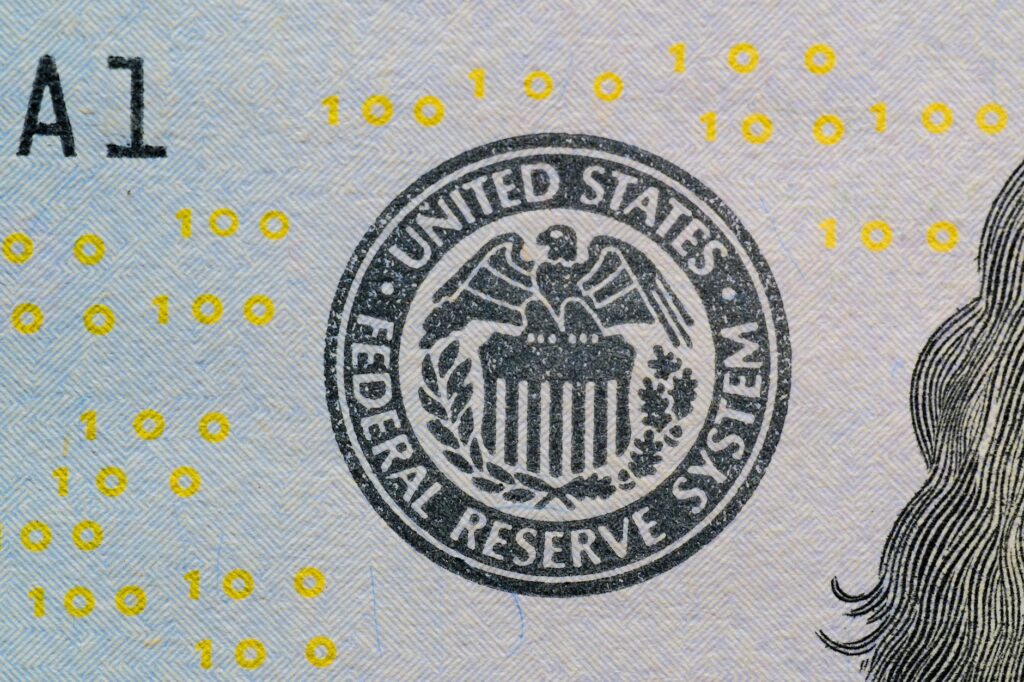
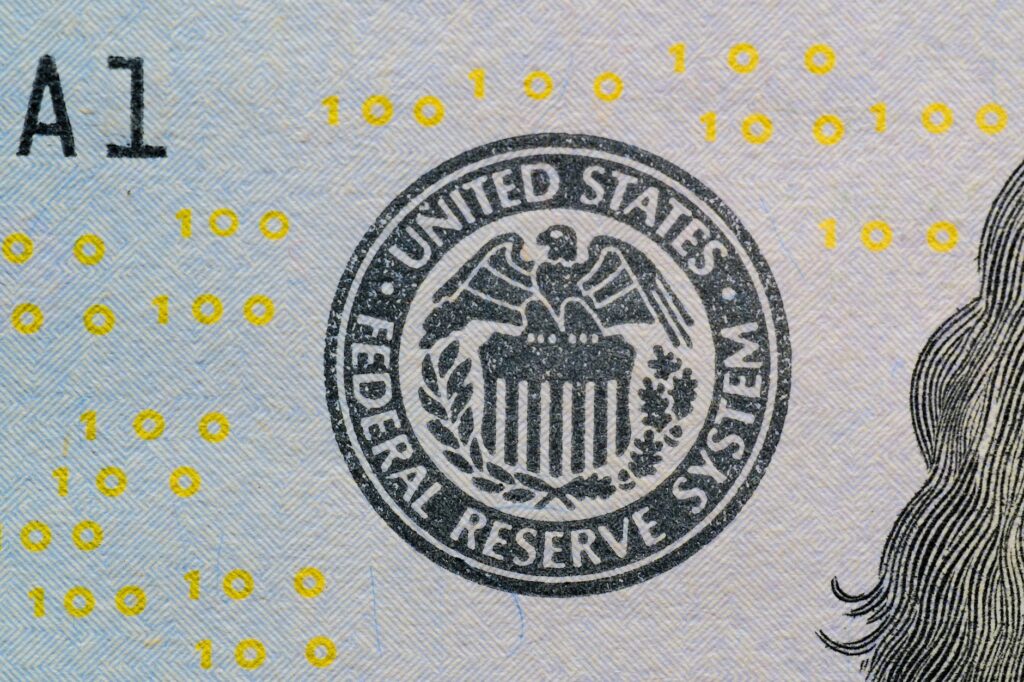
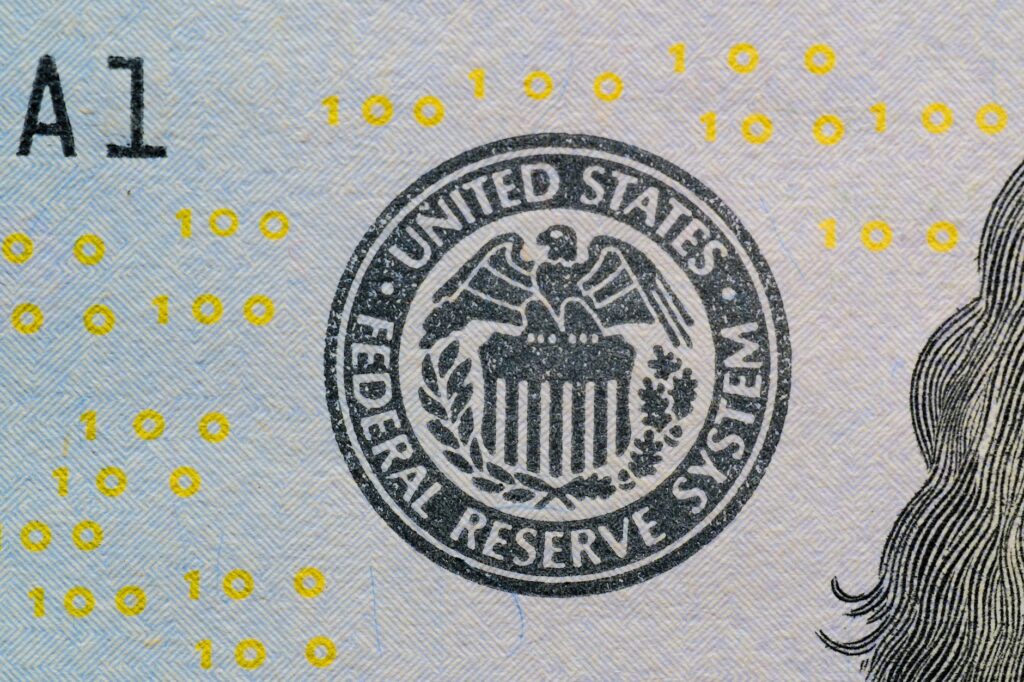
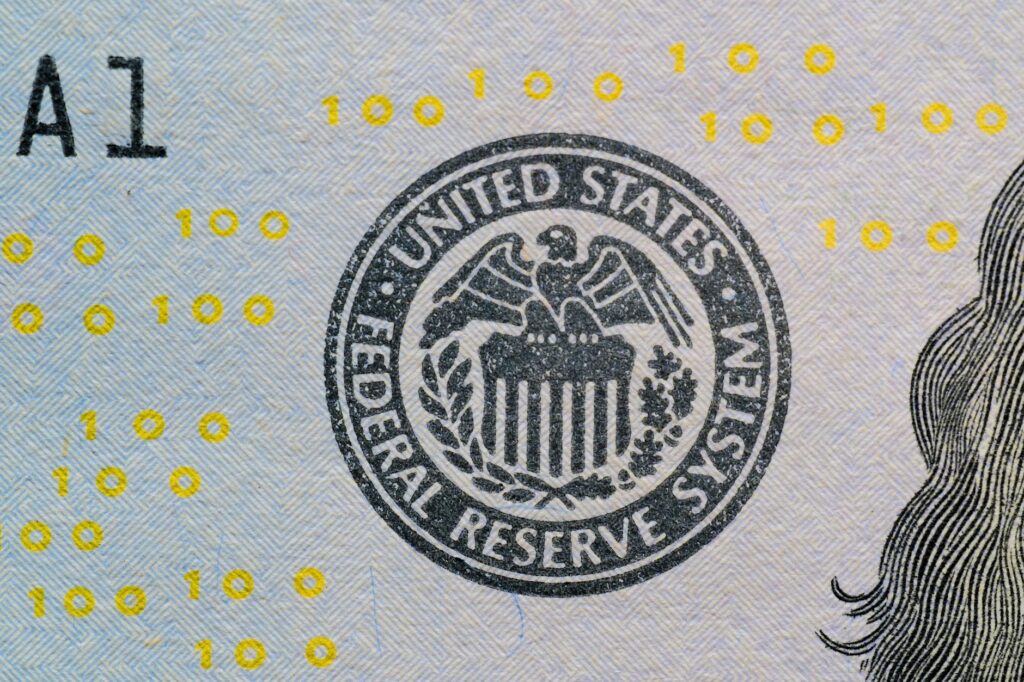
The Federal Reserve Board has officially named Jerome H. Powell as chair pro tempore, a placeholder title that exists for one reason only: to keep the seat warm until Kevin M. Warsh is sworn in as the new chair. This isn’t a promotion. It’s a countdown clock.
For more than eight years, Powell has been the face of American monetary policy — steering the Fed through a pandemic-era money flood, the most aggressive rate-hiking cycle in four decades, and a political crossfire that would have broken lesser institutions. Now, he’s technically still in charge, but the writing isn’t just on the wall — it’s in the Federal Register.
The transition marks something bigger than a personnel swap. Warsh coming in signals a potential philosophical shift at the institution that sets the cost of money for the entire global economy. Markets don’t just react to what the Fed does. They react to who the Fed *is* — and right now, Wall Street is recalibrating everything it thinks it knows about the next chapter of U.S. monetary policy.
The Powell era didn’t end with a bang. It ended with a title: chair pro tempore. And that quiet demotion may be the loudest signal the Fed has sent in years.
What’s Behind It
Powell’s Long Exit, Finally Official
Jerome Powell’s journey at the Federal Reserve has never been smooth. Appointed originally by President Trump, then kept on by President Biden, then caught in the crosshairs of political pressure again — Powell has spent years being the most scrutinized central banker on the planet. His tenure included landmark decisions: near-zero interest rates through COVID, the pivot to aggressive tightening in 2022, and a delicate balancing act between inflation control and labor market preservation.
But the “chair pro tempore” designation strips away the institutional armor. It’s a bureaucratic signal, yes — but in central banking, bureaucratic signals *are* the message. Powell retains the title only as a bridge. The Fed’s official press release confirms his role is explicitly transitional, lasting only until Warsh is formally sworn in.
This kind of handoff doesn’t happen in a vacuum. The sequencing — naming a pro tempore before the successor is sworn in — suggests the transition timeline is tight and deliberate. The machinery of changeover is already in motion, and markets hate uncertainty more than they hate bad news. Right now, they’re getting both: a lame-duck steward and an incoming leader whose full policy playbook remains, to many observers, an open question.
In central banking, a placeholder title isn’t a technicality — it’s a power map drawn in plain sight.
Who Is Kevin Warsh, Really?
Kevin Warsh is not an unknown quantity — but he’s also not a known commodity in the way Powell became. A former Fed governor who served from 2006 to 2011, Warsh was in the room during the 2008 financial crisis, watching the global financial system buckle in real time. He’s seen what happens when policy moves too slow, and what happens when it moves too fast.
What makes Warsh interesting — and slightly unpredictable for markets — is his documented skepticism of prolonged quantitative easing and his inclination toward tighter monetary discipline. He has, at various points, been critical of the Fed’s expanded balance sheet and its drift toward broader economic mandates beyond price stability and employment.
For investors who built positions around a post-tightening cycle pivot — expecting gradual rate cuts and continued Fed accommodation — Warsh’s arrival could complicate that thesis. His philosophical leanings suggest he may be less dovish than markets are currently pricing. That gap between expectation and reality is exactly where volatility is born.
The question isn’t just what Warsh will do in his first meeting. It’s what signal his very appointment sends about the direction of monetary policy orthodoxy in the years ahead.
Why It Matters
The Market Reads Leadership, Not Just Data
Here’s what most miss when a Fed chair transition happens: markets don’t wait for the first policy decision. They start repricing the moment a new personality takes the helm. Communication style, theoretical framework, perceived independence from political pressure — all of it gets factored in before a single basis point moves.
Powell became a known quantity. After years of press conferences, congressional testimonies, and market-moving statements, traders knew his cadence. They knew when “data dependent” meant hold, and when “remain vigilant” meant brace. That institutional fluency — the ability to read the chair — is itself a form of market stability.
Warsh resets that clock to zero.
The Federal Reserve’s monetary policy framework doesn’t change overnight with a new chair, but the emphasis, the tone, and the priorities can shift meaningfully. Bond traders, equity investors, and currency desks will spend the early Warsh months in intense pattern-recognition mode, parsing every word for clues about rate trajectory, balance sheet policy, and the Fed’s tolerance for economic softness.
That repricing process creates both risk and opportunity — depending entirely on which side of the trade you’re sitting on when the music stops.
The Bigger Picture: Fed Independence Under the Microscope
Beyond the immediate market reaction, this transition lands at a moment when the Federal Reserve’s institutional independence is under more scrutiny than it has been in decades. Political pressure on the Fed — from multiple directions — has intensified debates about whether the central bank can truly operate free from executive influence.
Warsh’s appointment, regardless of its merits, will be viewed through that lens. Markets and economists alike will be watching whether his policy decisions align with political preferences or reflect independent economic judgment. That distinction matters enormously for long-term credibility.
A Fed that is perceived as politically responsive loses its most powerful tool: predictability. And a less predictable Fed means higher risk premiums across virtually every asset class — from Treasuries to equities to emerging market currencies that orbit the dollar.
- Dollar credibility — Fed chair transitions historically create short-term dollar volatility as global investors reassess U.S. monetary direction
- Treasury yields — Expectations about Warsh’s rate stance will immediately begin repricing the yield curve
- Equity multiples — A more hawkish Fed philosophy compresses P/E ratios, particularly in rate-sensitive sectors
- Fed independence narrative — Any perception of political alignment could widen credit spreads and rattle foreign holders of U.S. debt
What to Watch
The days and weeks ahead are a masterclass in reading between the lines. Here’s what sophisticated observers will be tracking as the Warsh era formally begins:
The first signal will be the **swearing-in timeline**. How quickly Warsh is formally installed tells you how much urgency — political or otherwise — is driving this transition. A rushed timeline could indicate policy priorities are already being staged behind the scenes. A deliberate, slower process suggests more institutional deference.
Second, watch Warsh’s early public statements and any Senate confirmation hearings closely. His language around inflation targets, the neutral rate, and balance sheet reduction will give the first real map of where he intends to take policy. Look for how he frames the Fed’s dual mandate — any reordering of priorities between price stability and maximum employment is a major signal.
Third, monitor the reaction in the 10-year Treasury yield as a real-time barometer of market confidence in the transition. A sell-off in Treasuries — rising yields — would indicate markets are pricing in a more hawkish Fed. A rally would suggest relief or continuity expectations.
Here are the specific signals worth tracking:
- Warsh’s first public speech — tone and emphasis on inflation vs. growth will define early market positioning
- FOMC meeting dynamics — watch for any dissents or shifts in committee voting patterns under new leadership
- Fed balance sheet commentary — any acceleration of quantitative tightening language would be a hawkish tell
- Dollar index movement — sustained dollar strength could signal markets expect tighter-for-longer under Warsh
- Rate futures repricing — Fed funds futures will shift in real time as Warsh’s views crystallize
Powell’s pro tempore status is, on paper, a formality. In practice, it’s a live countdown to one of the most consequential leadership transitions the Fed has seen in a generation. The institution doesn’t change. The personality does. And in a world where central bank communication *is* monetary policy, personality is everything.
The Warsh era hasn’t officially started yet. But the market is already writing its first draft of what it expects — and that draft is being revised by the hour.
Stay Ahead of the Market
Get our daily finance briefing — sharp insights from 16 trusted sources, delivered free.