Free Doughnuts June 5: 8 Deals You Can’t Miss

The Hook
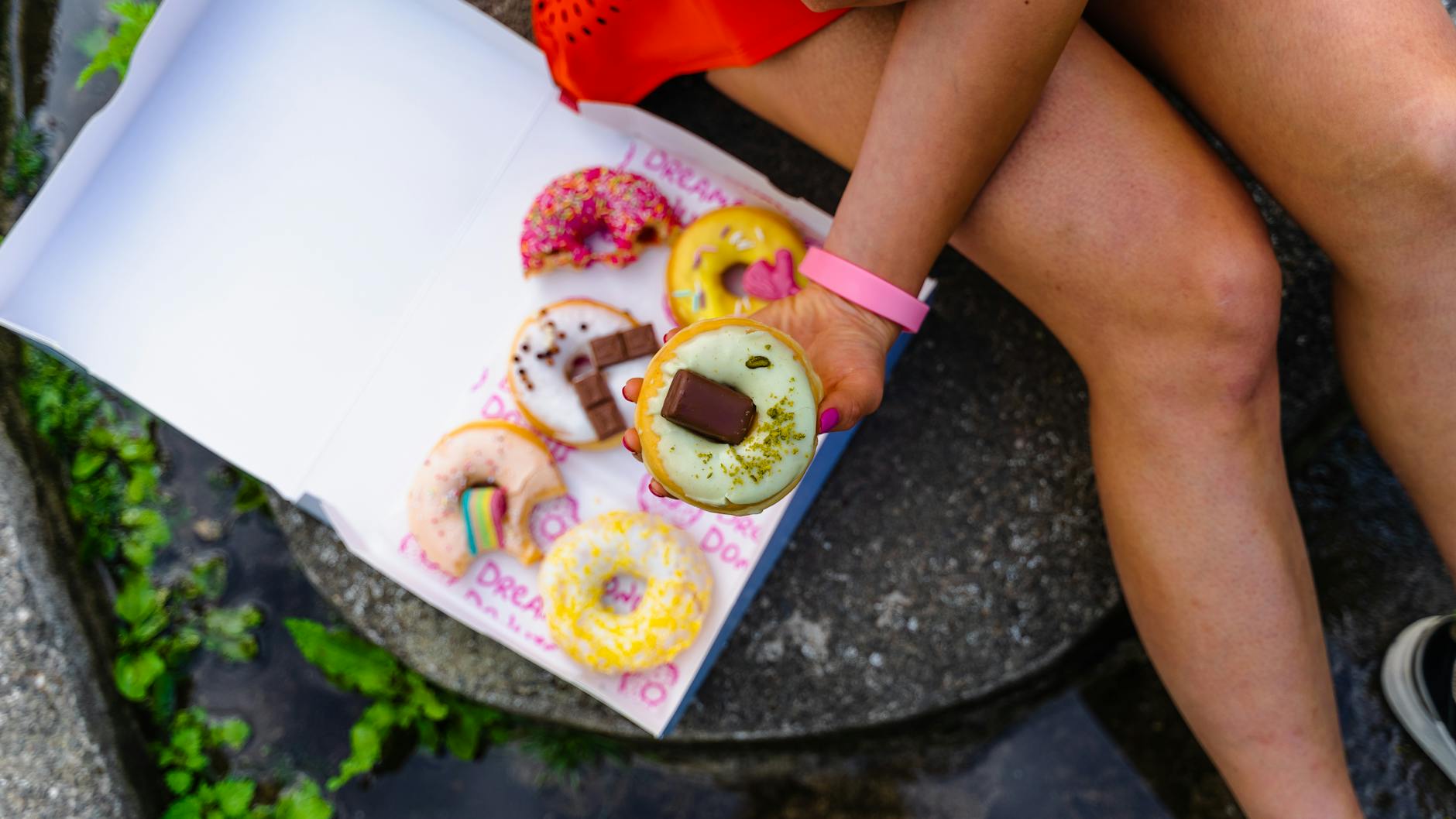
Once a year, the doughnut industry does something no other food sector dares to do at scale: it gives its product away for free. Not a coupon. Not a BOGO buried in an app. Free. And on June 5 — National Doughnut Day — that tradition returns with enough sugary firepower to make your quarterly budget look irrelevant for exactly one morning.
This isn’t just about glazed rings and sprinkles. It’s about something more interesting: how major chains weaponize a single calendar date to drive foot traffic, app downloads, loyalty sign-ups, and brand affinity — all for the price of a few thousand doughnuts. For consumers who know how to play it, June 5 is a masterclass in extracting value from corporate marketing machinery without spending a dime.
But here’s what most miss — not all “free” doughnut deals are created equal. Some require a purchase. Some demand an app download that quietly enrolls you in a loyalty program designed to collect your data and nudge future spending. Others are genuinely, no-strings-attached free. Knowing the difference before you walk through that door is the difference between a smart grab and a slow-burn upsell.
Eight deals are on the table this June 5. Some are legendary. Some are newer entries trying to earn their place in the holiday canon. All of them are worth knowing about — if only so you can decide which ones are actually worth your time and which ones are just very good marketing dressed in powdered sugar.
What’s Behind It
The Holiday With a Hidden Business Model
National Doughnut Day has a surprisingly earnest origin. It was established in 1938 by the Salvation Army to honor women who served doughnuts to soldiers during World War I. Noble. Warm. Entirely disconnected from what it has become: one of the most effective annual promotional events in the quick-service restaurant calendar.
Chains like Krispy Kreme, Dunkin’, and a growing roster of regional players have turned June 5 into a traffic spike that rivals Valentine’s Day for bakeries and coffee shops. The math is straightforward: give away a product with a $1.50 cost basis, get a customer in the door, and let the upsell — coffee, a dozen pack, a loyalty app enrollment — do the rest. It’s loss-leader economics with a glazed finish.
Krispy Kreme has historically offered one free doughnut with no purchase required, making it the gold standard of the day. Dunkin’ typically requires a beverage purchase to unlock the freebie, which is a different proposition entirely. That distinction matters if you’re budget-conscious. One deal costs you nothing. The other costs you $3 to $6 before you ever touch a doughnut.
The mechanics behind these promotions are also increasingly digital. Chains are routing their National Doughnut Day offers through apps, forcing a sign-up that feeds their CRM systems and enables targeted push notifications for months afterward. The doughnut is free. Your behavioral data is the currency.
The doughnut is free — your behavioral data is the real price of admission.
Who’s Actually Offering What This Year
For June 5, 2026, the lineup includes eight notable deals spanning national chains and regional players. The specifics matter enormously here, because the gap between “free doughnut” and “free doughnut with a $5 minimum purchase” is not a rounding error — it’s the entire premise.
Krispy Kreme typically leads with its no-purchase-required offer, available in-shop on the day. Dunkin’ structures its deal around a beverage buy-in, making it a discount rather than a true freebie. Entenmann’s, a packaged goods brand, often runs a social media component where engagement unlocks offers. Duck Donuts, Tim Hortons, and several others round out the field with varying degrees of generosity.
Regional chains are increasingly aggressive on this date, using it to compete directly with national players in local markets. A shop that gives away doughnuts with zero friction — no app, no purchase, no email capture — is making a bold statement about brand confidence. That’s the kind of deal worth a detour.
The tactical move for June 5: map the deals by friction level before you leave the house. High-friction deals (app required, purchase required) should be evaluated against what you’d spend anyway. Zero-friction deals are pure upside and require nothing but showing up during business hours.
Why It Matters
Small Savings, Bigger Spending Habits
Here’s the provocative take: National Doughnut Day is a tiny but revealing stress test for how you think about free. Most people grab the freebie without doing the math on what surrounds it. They download the app. They buy the coffee. They add a second doughnut because they’re already there. What started as a $0 transaction ends at $8.47 with a loyalty app on their phone quietly learning their purchase patterns.
That’s not inherently bad. But it’s worth being clear-eyed about. The Consumer Financial Protection Bureau has documented extensively how loyalty programs and app-based offers are designed to increase average transaction value — not just reward existing behavior. You’re not just getting a doughnut. You’re entering a relationship the brand has spent millions engineering to be sticky.
For consumers who are actively managing their budgets, the discipline of June 5 is simple: decide in advance what you’re willing to spend. If the deal requires a coffee purchase and you were buying coffee anyway, that’s a genuine win. If you’re buying the coffee only to unlock the free doughnut, you’ve been outmaneuvered by a pastry company’s marketing department. Both outcomes involve doughnuts. Only one involves getting played.
Small-dollar decisions compound. That’s not a lecture — it’s arithmetic. The CFPB’s own research on discretionary spending shows that impulse purchases clustered around promotional events are a consistent leak in otherwise disciplined household budgets.
The Deals Worth Your Attention
Filtering eight deals down to the ones that genuinely deliver value requires a simple framework. Apply it fast:
- Zero-friction free: No purchase, no app, no email required — walk in, get doughnut, leave.
- App-gated free: Requires download and sign-up; evaluate based on whether you’ll actually use the app afterward.
- Purchase-required free: Only worth it if you’d make that purchase independently of the promotion.
- Social-media-activated: Requires engagement or sharing; consider your time cost against the value of one doughnut.
- Loyalty-point deals: Redeemable only via accumulated points — not a June 5 freebie for new customers.
The best deals on June 5 are the ones that require the least from you. Krispy Kreme’s no-purchase model has historically set the benchmark. Regional operators trying to make a name for themselves often match or exceed it. The worst deals are the ones dressed up as freebies that actually require $4 in spending to unlock $1.50 in value. Those aren’t deals. They’re discounts with better PR.
National Doughnut Day is ultimately a low-stakes arena to practice something high-stakes: reading the fine print before you commit.
What to Watch
June 5 comes and goes in 24 hours, but the signals it sends about the quick-service food industry and consumer behavior are worth tracking beyond the sugar rush. Here’s what to watch as the day unfolds and as the broader promotional calendar continues through 2026.
First, watch which chains require app downloads versus which ones don’t. That split is a live indicator of where each brand sits in its digital loyalty strategy. A chain moving aggressively toward app-gating its promotions is signaling that it’s prioritizing data collection and CRM buildout over frictionless customer experience. That has implications for how they’ll price, promote, and personalize going forward — and for how much your “free” doughnut is actually worth to their business model.
Second, watch the regional operators. Small chains that offer genuine freebies with no strings attached are often the most financially healthy or the most aggressively growth-oriented. Either way, they’re worth following. The ones that survive and scale have usually figured out something about customer acquisition that the nationals haven’t.
Third, watch your own spending in the 30 days following any loyalty app enrollment tied to a promotional event. Research consistently shows that app-enrolled customers spend more in the month following sign-up than in the month prior — not because they’re getting better deals, but because the push notifications work.
Specific signals to monitor heading into and past June 5:
- App download requirements: Note which chains gate their deals — this signals long-term data strategy shifts.
- Purchase minimums: Track whether the threshold rises year-over-year, a sign of margin pressure on promotional days.
- Regional vs. national participation: A growing field of regional players signals a maturing promotional holiday with real traffic value.
- Social amplification asks: Brands requesting shares or tags in exchange for deals are monetizing attention, not just selling doughnuts.
- Post-promo push notifications: If you do download an app, count how many days until the first non-promotional push — that’s the retention clock ticking.
The bottom line is blunt: eight deals, one day, zero reason to spend money you didn’t plan to spend. Go in with a clear threshold, know which deals require what, and treat your data as the asset it actually is. A free doughnut is a great morning. A free doughnut that costs you six weeks of push notifications and two impulse purchases is just a very expensive pastry with good branding.
Stay Ahead of the Market
Get our daily finance briefing — sharp insights from 16 trusted sources, delivered free.
Dig Deeper
This article is for informational purposes only and does not constitute financial, tax, or legal advice. Consult a qualified professional for guidance specific to your situation.