Tesla Earnings Don’t Matter Anymore — Here’s What Does
The Hook
Tesla just made earnings season irrelevant to its own stock. Let that sink in for a second.
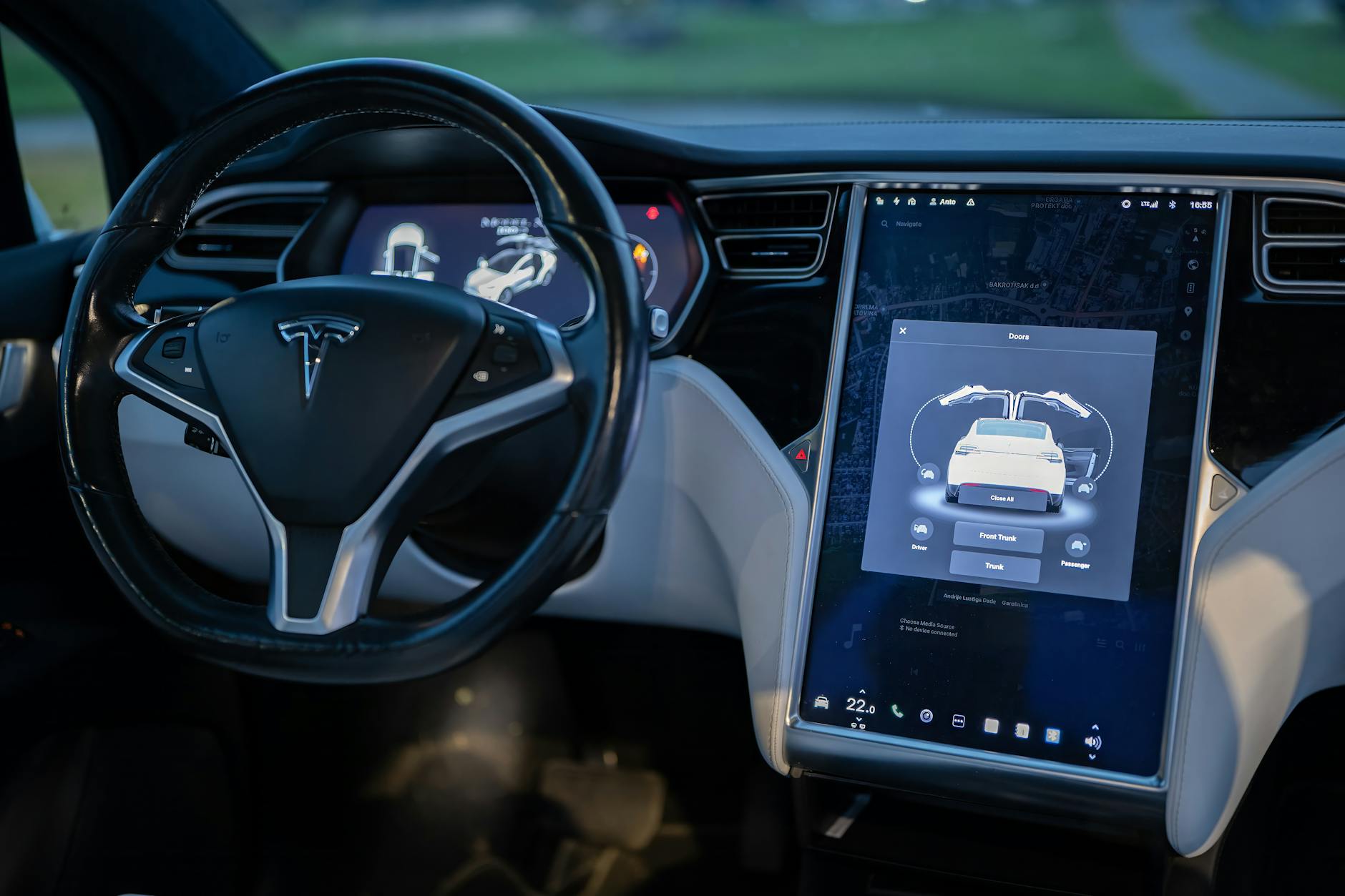
Wall Street has quietly stopped caring whether Tesla beats or misses on revenue and net income. The quarterly scorecard that would send any other S&P company into a tailspin? Analysts are practically yawning at it. What they’re actually doing — obsessively, behind closed doors — is listening for three specific words: energy storage, autonomous driving, and robotaxis.
This is a company that has effectively decoupled its stock narrative from its financial performance. That’s either visionary or delusional — and Wall Street has decided, at least for now, to bet on visionary.
The question isn’t what Tesla earned last quarter. The question is what it’s becoming. And that distinction is reshaping how investors price the stock entirely.
What’s Behind It
Here’s the uncomfortable truth most financial coverage buries: Tesla hasn’t been a car company in the eyes of sophisticated investors for a while now. It’s been a technology options trade — a bet on futures that haven’t arrived yet but could be worth multiples of the current business if they do.
Traditional earnings metrics — margins, delivery numbers, quarterly revenue — still move the stock in the short term. But they no longer define the story. And in modern markets, story is pricing power.
But here’s what most miss: this shift didn’t happen because earnings got bad. It happened because the potential upside from autonomous driving and robotaxi networks is so astronomically large that any near-term profit-and-loss noise becomes statistically irrelevant if those bets land. Investors are essentially discounting the present income statement in favor of a probabilistic future one.
Energy storage adds another layer entirely. Unlike autonomous driving, which is still a regulatory and technological maze, energy storage is a business that’s already scaling — and Wall Street increasingly treats it as a separate growth engine hiding inside Tesla‘s quarterly filings, available on SEC EDGAR.
The result: earnings calls have quietly transformed from financial reckonings into strategic briefings. Investors aren’t crunching the numbers. They’re reading the tea leaves.
Why It Matters
This repricing of how Wall Street values Tesla carries real consequences — not just for the stock, but for how the broader market thinks about disruptive companies.
When earnings lose their gravitational pull on a stock, you get a two-edged sword. On the upside, Tesla gets runway. Management can absorb a bad quarter, or three, without the stock collapsing — as long as the narrative around autonomous driving and robotaxis stays intact. That’s an enormous strategic luxury.
On the downside — and this is the part bulls don’t love to talk about — the stock becomes acutely vulnerable to narrative collapse. If autonomous driving timelines slip, if robotaxi deployment stalls, or if a competitor cracks the code first, there’s no earnings floor to catch the fall. The valuation isn’t anchored to current cash flows. It’s anchored to belief.
But here’s what most miss: energy storage might be the quiet stabilizer in this equation. Unlike the moonshot bets, storage revenue is real, recurring, and growing. It’s the part of Tesla‘s business that could eventually give analysts something concrete to model — a bridge between the company’s present financials and its speculative future. Track Tesla’s live market data on Yahoo Finance to see how these segments are being priced in real time.
The provocative read? Tesla may be the first major company to successfully train Wall Street to value it on vibes — and make that strategy work for years running.
What to Watch
Forget EPS surprises. Here are the actual signals that will move Tesla‘s stock going forward.
First: Robotaxi deployment signals. Any concrete update on launch timing, geography, or regulatory clearance will hit harder than any margin beat. Watch for specifics — vague promises don’t move this stock the way they used to.
Second: Energy storage growth metrics. Deployment volume and revenue trajectory here could start attracting a different class of institutional investor — one focused on clean energy infrastructure, not tech speculation.
Third: Autonomous driving milestones. Regulatory approvals, miles-driven data, and safety records are the new earnings per share for how Wall Street grades Tesla’s progress.
The bottom line: when you’re watching Tesla earnings, don’t watch the earnings. Watch the roadmap.
Stay Ahead of the Market
Get our daily finance briefing — sharp insights from 16 trusted sources, delivered free.