Free Checked Bags? Your Credit Card May Be Lying
The Hook
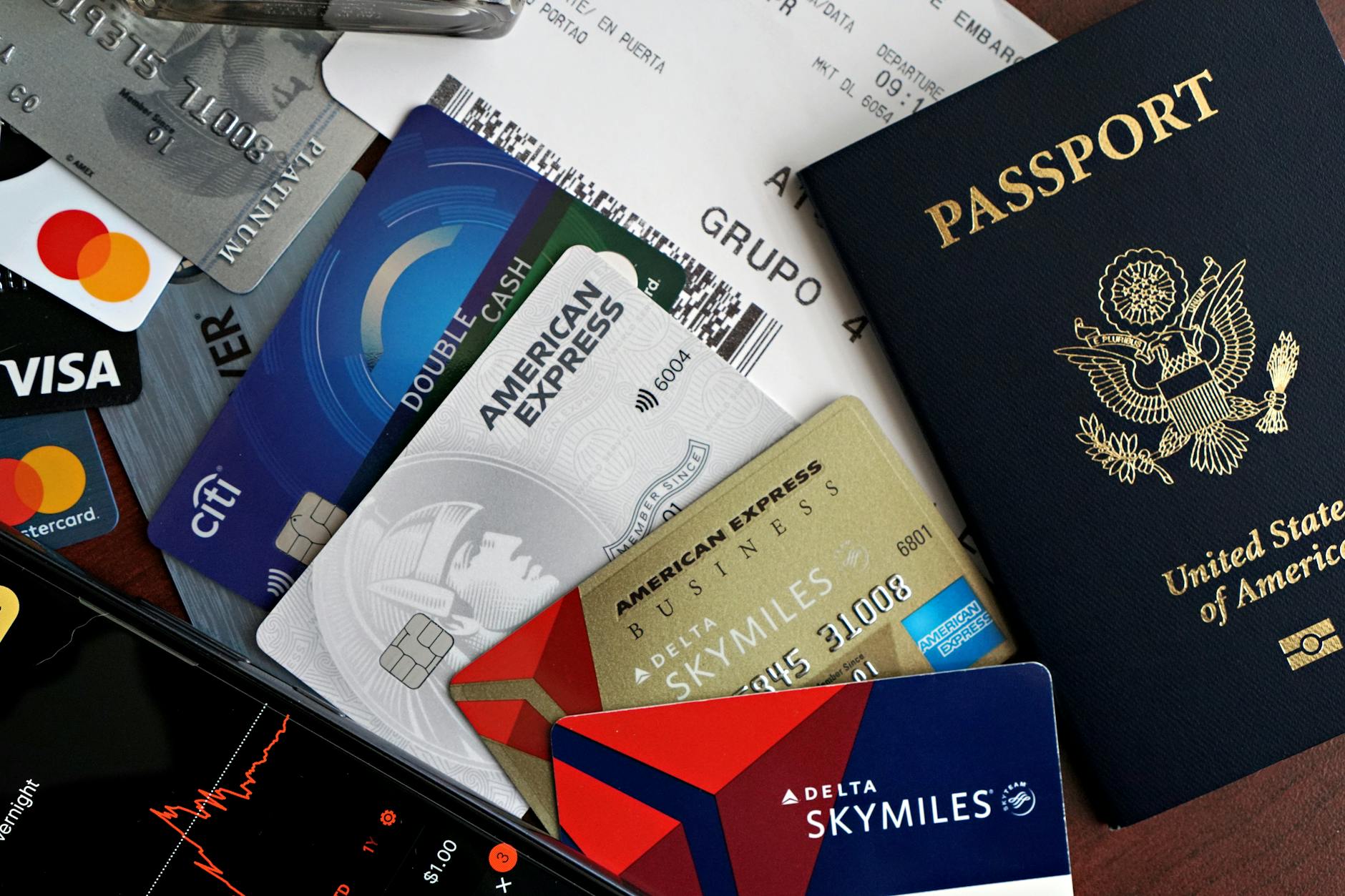
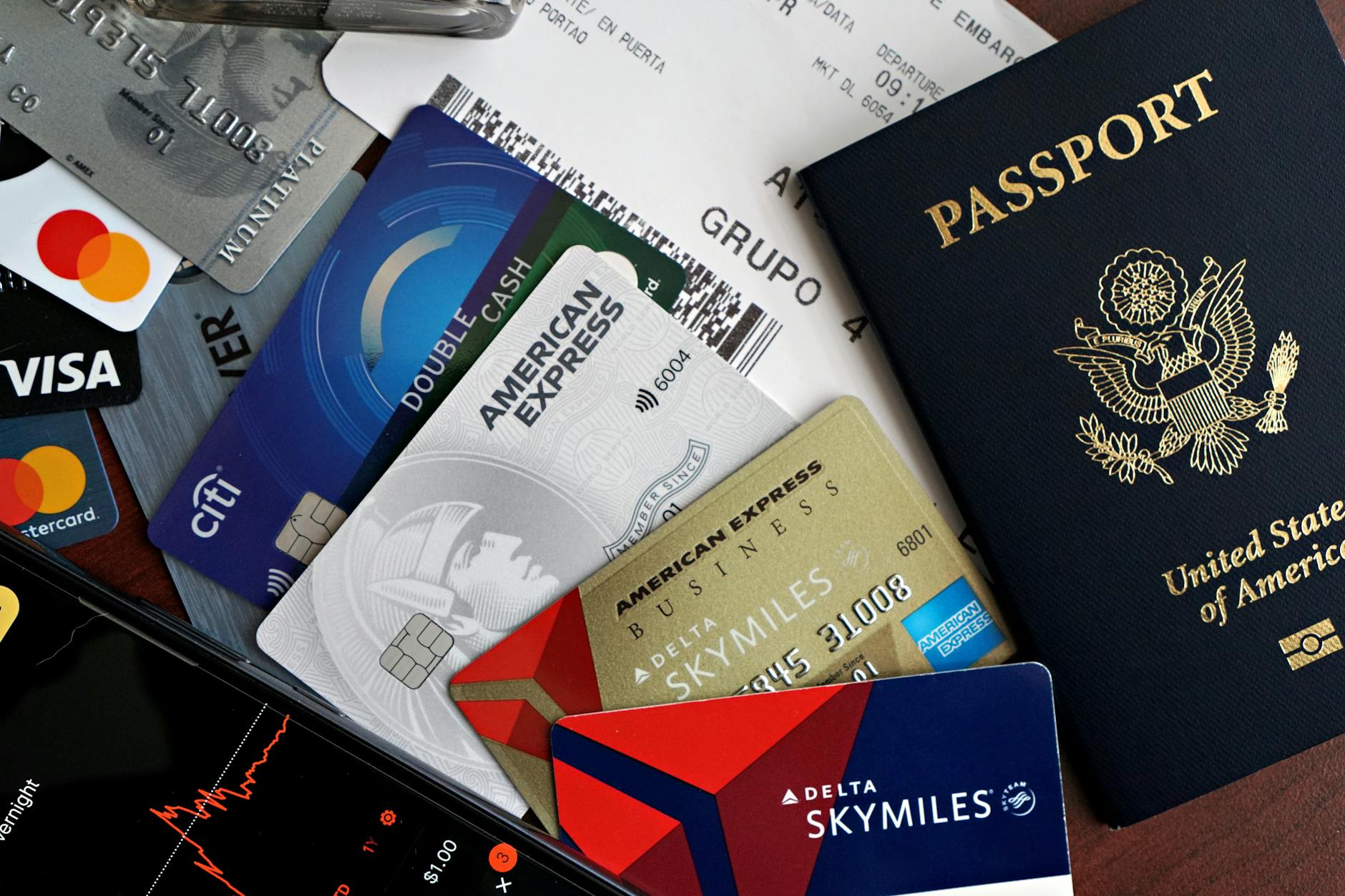
You packed light, skipped the upgrade, and smugly checked in — confident your co-branded airline credit card had your back on that bag fee. It didn’t.
Millions of travelers carry co-branded airline credit cards specifically for the free checked bag perk. It’s one of the most-marketed benefits in the entire rewards card industry. But here’s what most miss: that perk is wrapped in so much fine print, it might as well come with a lawyer on retainer.
According to NerdWallet’s deep dive into co-branded airline card perks, free checked bags are far from automatic — even when you have exactly the right card. There are at least 10 distinct “gotchas” that can silently disqualify you from a benefit you thought was yours. That’s not a minor asterisk. That’s a trap with ten different doors.
What’s Behind It
Here’s the uncomfortable truth about airline credit card perks: they’re engineered to look more generous than they actually are at the point of sale — and reveal their complexity only when you’re already at the gate.
Co-branded airline credit cards are a partnership product. An airline and a major credit card issuer team up, split the economics, and market a bundle of perks designed to drive loyalty and card spend. Free checked bags are the crown jewel of that pitch. But the benefit delivery depends on a chain of conditions — and any broken link in that chain means you’re paying out of pocket.
Think about what has to go right: you typically need to book your ticket directly through the airline, pay with the specific co-branded card, and in many cases, ensure your frequent flyer number is attached to the reservation. Miss any one of those steps — say, you booked through a third-party travel site, or used a different card at checkout — and the perk evaporates.
Some cards only extend the free bag benefit to the primary cardholder. Others require the cardholder to be on the same itinerary as the companions they’re trying to cover. Some have blackout periods or fare class restrictions that quietly exclude budget tickets — which is, ironically, exactly when travelers are most cost-conscious and counting on that perk most.
The fine print isn’t accidental. It’s architecture. And it’s worth reading every word before you assume you’re covered.
Why It Matters
Checked bag fees aren’t rounding errors. They add up fast — especially for families, frequent business travelers, or anyone who refuses to survive a two-week trip with only a personal item.
If you’re carrying a co-branded airline card primarily for the free bag perk — and many people are — then the card’s entire value proposition is at risk the moment one of those 10 gotchas applies to your situation. You could be paying an annual fee for a benefit you’re systematically failing to collect.
But here’s what most miss: the asymmetry of information here is almost entirely in the issuer’s favor. Airlines and card issuers know the redemption rates on these perks. They know what percentage of cardholders fail to meet the qualifying conditions. That gap between “promised” and “delivered” is, effectively, margin.
For travelers, the concrete implication is this — you need to audit your habits against your card’s specific terms before your next trip, not after you’ve already booked through Expedia with a different card and checked in online without linking your loyalty number.
The losers here are clear: infrequent flyers who grabbed a co-branded card for a signup bonus and never learned the rules. Families who assumed all traveling companions were covered. Anyone who books through aggregators out of habit.
The winners? Travelers who read the fine print — and actually use their card and loyalty number exactly the way the issuer intended.
What to Watch
Before your next flight, run a quick self-audit. Pull up your co-branded airline card’s benefit terms — not the marketing page, the actual benefits guide — and check whether your booking method, payment method, and loyalty number linkage all qualify. It takes ten minutes and could save you $35 to $60 per bag, per flight.
Watch for changes to card terms, too. Co-branded card agreements between airlines and issuers get renegotiated, and perk structures quietly shift. What applied when you signed up may not apply today.
If free checked bags are the primary reason you’re paying an annual fee on a co-branded airline card, do the math with honesty. Are you actually capturing that benefit — consistently, on most trips? If the answer is “sometimes” or “I think so,” that’s the fine print winning. And right now, it’s winning a lot.
Stay Ahead of the Market
Get our daily finance briefing — sharp insights from 16 trusted sources, delivered free.