The Hook
$344 million in frozen stablecoins. One day. Two coordinated strikes from two very different power centers. That’s not a coincidence — that’s a playbook.
The US government has sanctioned a cluster of Iran-linked crypto wallets, and at least some of those addresses were already holding funds that Tether had frozen just 24 hours earlier. The sequencing alone should raise eyebrows: a private stablecoin issuer moves first, then Washington follows with the official hammer. Whether that’s coordination or choreography, the effect is the same — $344 million worth of USDT goes from frozen to federally sanctioned, essentially overnight.
Crypto’s reputation as a censorship-resistant haven just took another very public hit. And this time, the blow landed in two acts.
What’s Behind It
Here’s the setup: Tether — the company behind the world’s largest stablecoin by market cap — froze $344 million worth of USDT sitting in a set of wallets. No public explanation at the time. Just a freeze, the kind that only Tether can execute because it retains the technical ability to blacklist any address holding its token.
Then, the very next day, the US government sanctioned those same Iran-linked wallets. CNN first reported the link, connecting the frozen addresses to Iran — framing this as a national security enforcement action, not just a routine compliance sweep.
But here’s what most miss: Tether acting before the official US sanctions order suggests either a pre-coordination with US authorities or an aggressive independent compliance posture. Either way, it demolishes the idea that stablecoins operate outside the reach of sovereign enforcement. A private company just helped freeze what amounts to a mid-sized sovereign wealth position — in under 48 hours.
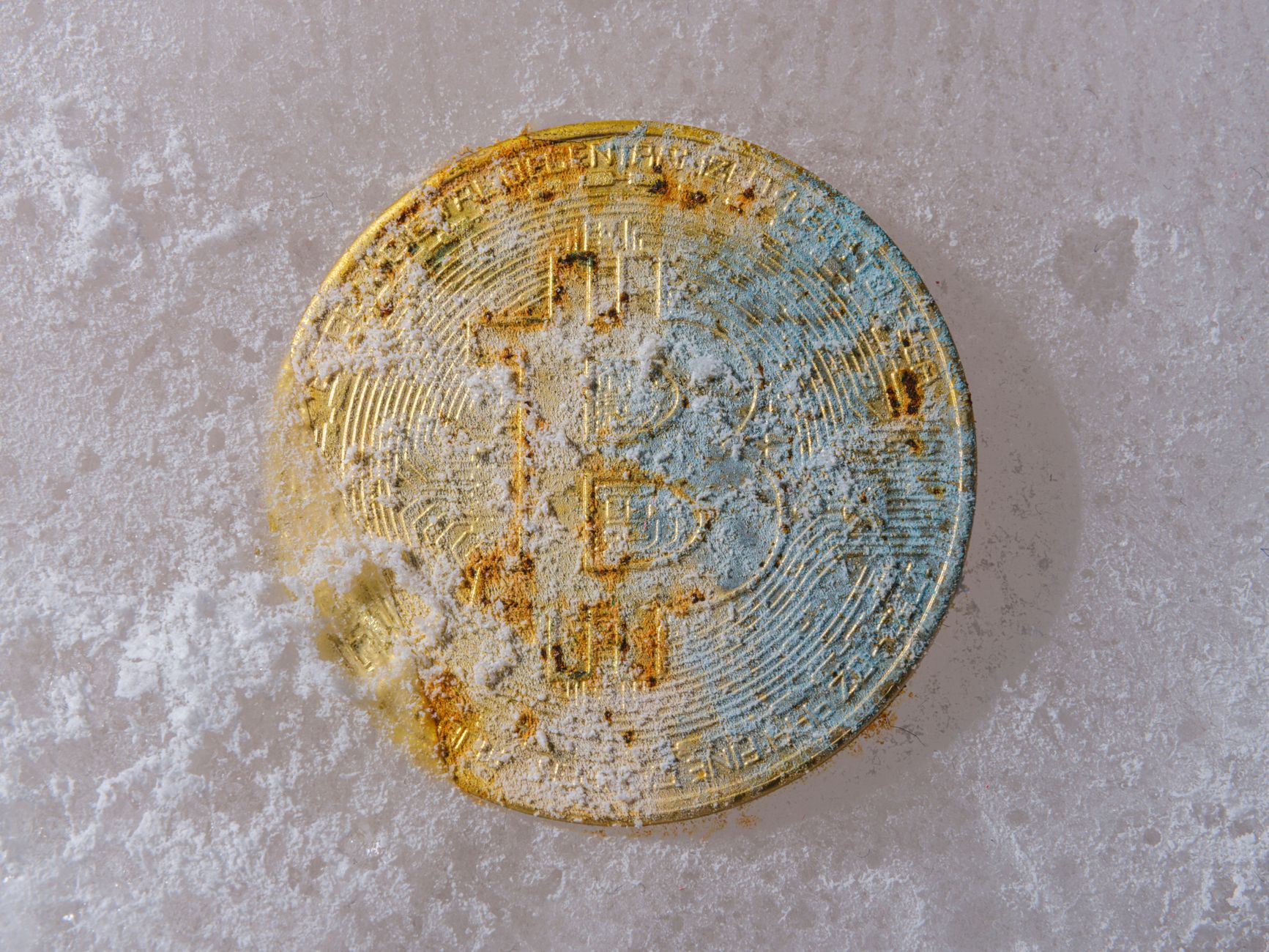
The mechanics matter here. Unlike Bitcoin or Ether, USDT is a centrally issued token. Tether can — and does — maintain a blacklist. When an address hits that list, the funds don’t move. They don’t get seized in the traditional sense. They just… sit there, permanently immobilized. It’s financial permafrost.
That capability, once considered a liability in crypto-native circles, is now looking increasingly like a geopolitical asset.
Why It Matters
The counterintuitive read here? This is actually a win for Tether‘s institutional credibility — even if it rattles crypto purists. Regulators and governments have spent years questioning whether stablecoin issuers can be trusted partners in financial enforcement. This episode answers that question loudly.
Tether didn’t wait for a subpoena. It froze the funds, then the sanctions followed. That sequencing positions Tether not as a rogue offshore issuer but as a de facto compliance arm with global reach. For any future regulatory negotiations — and there are plenty pending — that’s enormous leverage.
The losers are less ambiguous. Any entity, state-linked or otherwise, that believed USDT offered a reliable sanctions evasion corridor just watched that thesis get stress-tested and fail publicly. $344 million is not a rounding error. It’s a signal — and every sanctioned actor holding stablecoins is now recalculating their exposure.
There’s also a second-order effect worth watching: the broader crypto market’s trust in “decentralized” finance. If the most liquid stablecoin in the world can be frozen at this scale, in this speed, in apparent coordination with a government — the decentralization narrative takes a credibility hit. That won’t crater markets overnight, but it quietly shifts how sophisticated players think about custody, diversification, and counterparty risk in stablecoin holdings.
Exchanges and DeFi protocols that hold significant USDT reserves are now sitting with a more visible risk on their books than they were last week.
What to Watch
First signal: whether Tether officially confirms coordination with US authorities or maintains this was an independent compliance decision. That distinction shapes how regulators worldwide frame stablecoin oversight going forward.
Second: watch for any formal US Treasury or OFAC statements elaborating on the Iran connection. The specifics of how these wallets were identified — blockchain analytics, intelligence, or both — will reveal how mature the government’s crypto enforcement infrastructure has become.
Third: monitor whether other major stablecoin issuers face pressure to demonstrate similar compliance capabilities. Tether just set a de facto industry standard, whether it intended to or not.
The freeze is done. The sanctions are live. The real story — how this reshapes stablecoin regulation globally — is just getting started.
Stay Ahead of the Market
Get our daily finance briefing — sharp insights from 16 trusted sources, delivered free.


