US Freezes $344M in Crypto Tied to Iran — Here’s How
The Hook
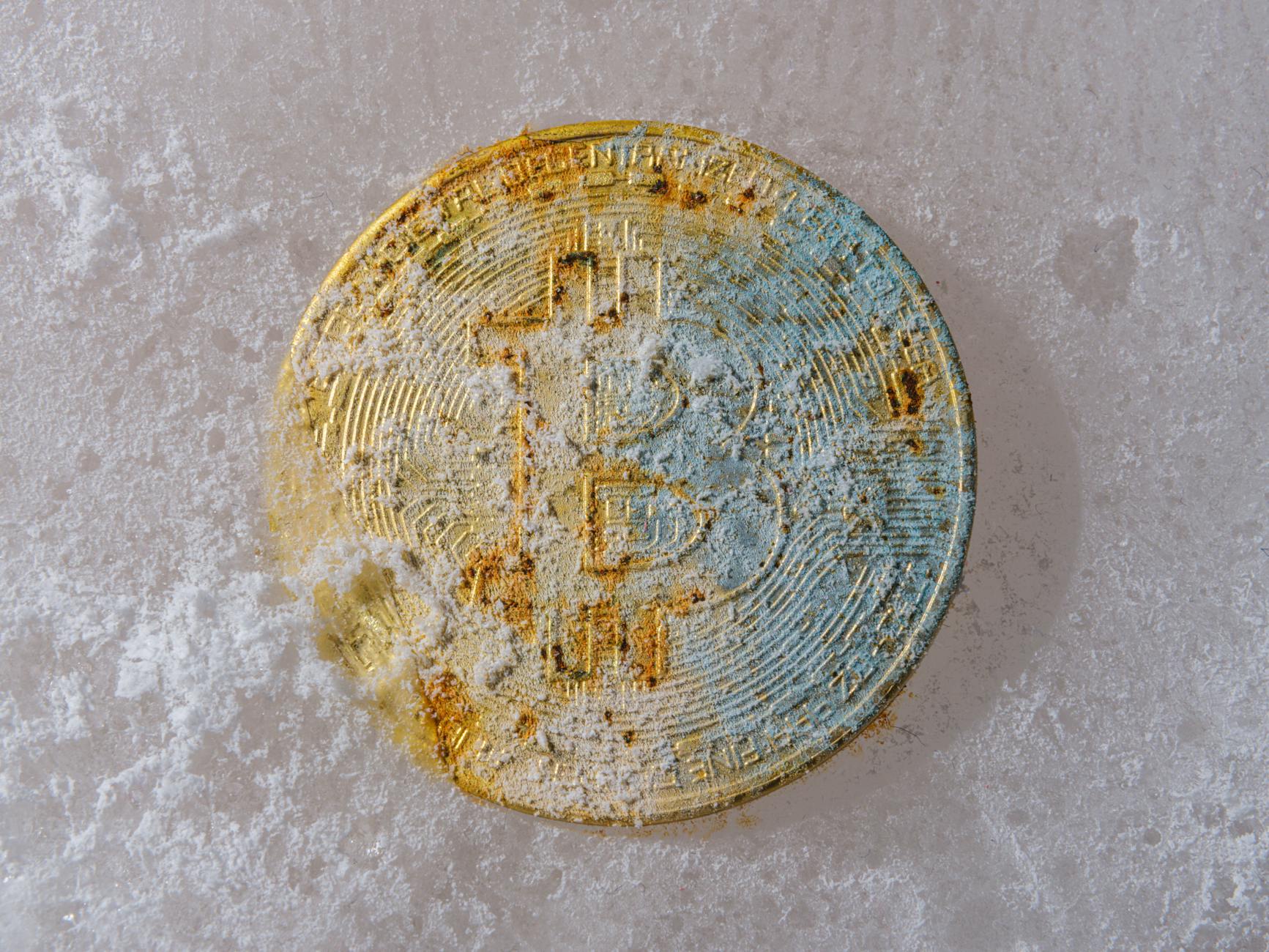
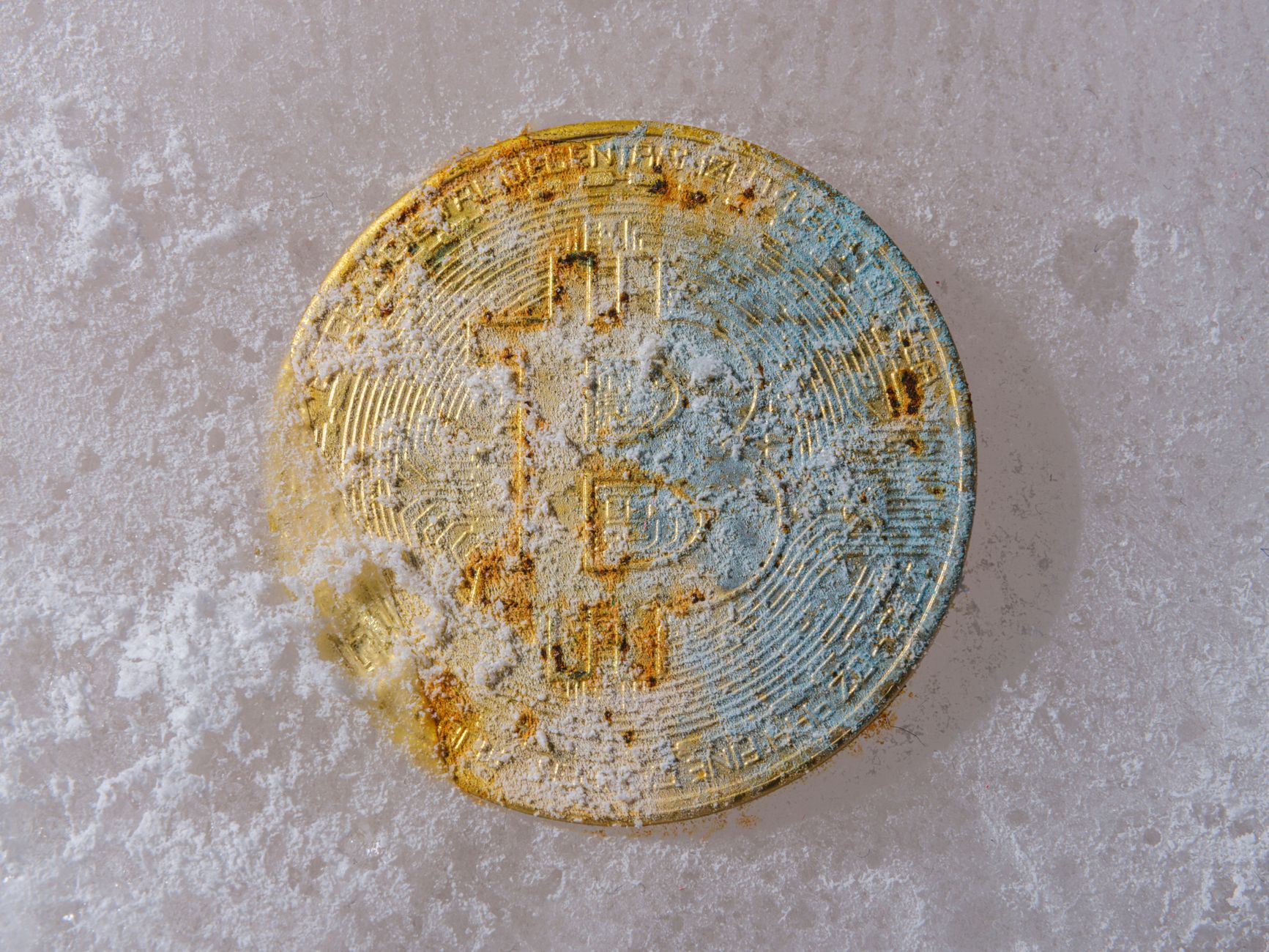
$344 million. Frozen. Overnight. And the wildest part? The government didn’t even have to touch a blockchain to do it.
US authorities have officially announced the freeze of $344 million in crypto assets linked to Iran — a move that came just 24 hours after Tether quietly disclosed it had already done the heavy lifting, locking up $344 million worth of its USDt stablecoin at the direct request of US law enforcement.
That’s not a coincidence. That’s a coordinated takedown — and it just showed the world exactly how much control a single stablecoin issuer can exert over funds that were supposed to be borderless, permissionless, and immune to seizure.
The crypto dream of censorship-resistant money just collided head-on with a very old-school enforcement playbook. And the old school won — in less than a day.
What’s Behind It
Here’s the sequence that should have every crypto holder paying attention. Tether, the issuer of the world’s most widely used stablecoin USDt, received a request from US law enforcement. Within what appears to be a remarkably short window, Tether acted — freezing $344 million in USDt before the government’s formal announcement even dropped.
The next day, US authorities made it official: that same $344 million is now frozen, linked to Iran, and squarely in the crosshairs of a sanctions enforcement action.
But here’s what most miss: this wasn’t a hack, a court battle, or a months-long legal saga. This was a phone call — or something functionally close to it — that resulted in nine figures of crypto becoming completely immovable. No private keys needed. No blockchain exploit required. Just a request to a centralized issuer, and done.
That’s because Tether has always retained the technical ability to blacklist wallet addresses and freeze USDt balances. It’s written into the token’s smart contract. The capability has existed for years. But a freeze of this scale — $344 million in a single action tied to a geopolitical adversary — is a different kind of moment.
It confirms what skeptics have argued and maximalists have dismissed: centralized stablecoins are not neutral infrastructure. They are, at the end of the day, instruments that answer to jurisdictions. And right now, that jurisdiction is Washington.
Why It Matters
The loser here is obvious — whoever held those wallets just watched $344 million go dark. But the implications run deeper than one enforcement action against one sanctioned actor.
Every user of USDt — and by extension, every exchange, protocol, and DeFi platform that treats USDt as a neutral dollar equivalent — now has fresh, undeniable proof that these funds can be frozen without warning, without appeal, and without their input.
That’s not a bug Tether hid. It’s a feature US law enforcement just publicly stress-tested at scale.
The counterintuitive insight: this may actually be good for regulated crypto markets in the short term. Regulators and institutional players who’ve been sitting on the sidelines waiting to see whether crypto could be “controlled” just got their answer. USDt can be controlled — at least by those who know who to call.
That makes compliance-friendly stablecoins more attractive to institutions, and it puts pressure on smaller, less cooperative stablecoin issuers who may now face harder questions about their own freeze capabilities and law enforcement cooperation policies.
For decentralization purists, the message is the opposite: if your stablecoin has a freeze function, it was never really yours. The race toward truly decentralized, non-custodial dollar alternatives just got a serious tailwind — even if the technology to fully replace USDt at scale doesn’t yet exist.
What to Watch
Watch how quickly — or slowly — US authorities reveal the specific wallets and entities behind this freeze. Transparency here matters: it tells you whether this is a clean sanctions enforcement action or the opening move in something larger.
Watch Tether’s freeze log and any formal statements about their law enforcement cooperation process. If this becomes a pattern rather than an exception, expect competing stablecoin issuers to face pointed questions about their own policies.
And watch the USDt market cap and peg stability over the coming days. A freeze of this size, with this kind of geopolitical headline attached, could trigger outflows into alternative stablecoins — or it could do nothing, because most users will decide that the risk doesn’t apply to them.
The signal to take seriously: if decentralized stablecoin volumes spike meaningfully in the next two weeks, the market just voted with its feet. That would be a story worth tracking very closely.
Stay Ahead of the Market
Get our daily finance briefing — sharp insights from 16 trusted sources, delivered free.
