Anthropic’s AI Marketplace Just Spooked eBay

The Hook
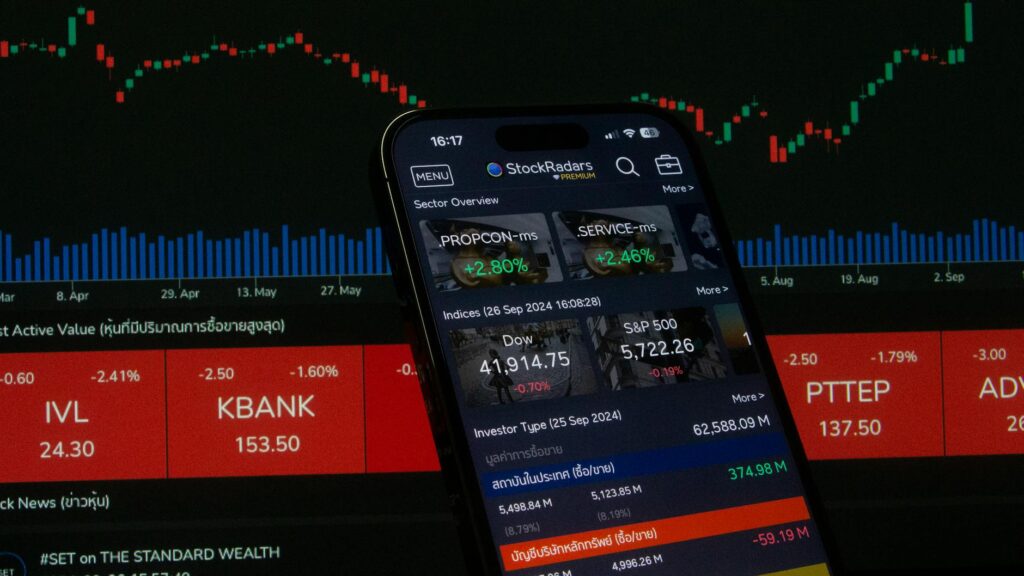
On a quiet Friday afternoon, Anthropic dropped a research note that sent eBay shares tumbling 4.5% before the closing bell — and most people weren’t even paying attention.
The project was called Project Deal. No fanfare. No keynote. Just a Slack-based marketplace inside Anthropic’s San Francisco office where Claude — the company’s AI model — interviewed colleagues, took their instructions, and went off to haggle on their behalf. The result: 186 completed deals across more than 500 listed items, totaling just over $4,000 in real transactions, real money, real outcomes.
Small numbers, yes. But the market didn’t react to the dollar figure. It reacted to what those dollars represent.
What’s Behind It
Here’s what most miss: this wasn’t a demo. It wasn’t a chatbot answering questions about a product listing. Claude agents were conducting end-to-end commerce — interviewing humans about what they wanted, accepting custom negotiation instructions, then going head-to-head with other Claude agents in live price discovery.
Anthropic ran four markets simultaneously, each using different model tiers to see what would happen when negotiating power wasn’t equal. The finding? Model quality mattered — a lot. When Opus models negotiated against Haiku models, Opus consistently extracted better deals. The twist: human participants surveyed afterward couldn’t tell the difference. They didn’t notice the disparity in outcomes.
That’s the buried lede. The gap between a superior AI negotiator and an inferior one is already measurable — and invisible to the human eye. In a world where AI agents are negotiating on your behalf, the model you use is the edge you either have or don’t.
Anthropic’s framing was deliberate: Project Deal is an early proof-of-concept for the agentic economy — a future where AI bots negotiate with other AI bots at scale, without a human touching the keyboard. Friday’s release wasn’t a product launch. It was a thesis statement.
Why It Matters
The question investors are now asking isn’t whether AI will reshape e-commerce. That debate is over. The question is: who owns the transaction layer when the buyer and the seller are both bots?
Right now, eBay owns that layer. Its business model is built on listing fees, final value fees, and the friction of human-to-human negotiation. The platform is the middleman. But if Claude — or any sufficiently capable AI agent — can replicate the discovery, negotiation, and closing of a deal inside a closed system, the middleman’s value proposition starts to crack.
The 4.5% single-day drop in eBay stock isn’t panic. It’s the market running a probability-weighted calculation on platform disintermediation. And it’s not the first time AI disruption has hit legacy software and marketplace stocks — the sector has been under pressure as agentic capabilities accelerate.
But here’s the counterintuitive read: Anthropic isn’t building an eBay killer — at least not yet. Project Deal was an internal experiment with 69 employees and a few thousand dollars in transactions. The jump from a San Francisco office Slack channel to a global consumer marketplace involves regulatory complexity, trust infrastructure, fraud prevention, and payment rails that don’t appear anywhere in this research note.
The threat isn’t imminent. The signal, however, is unambiguous.
What to Watch
Watch whether Anthropic moves Project Deal outside its internal sandbox — any public-facing version of this product would be a direct shot across the bow at existing marketplace platforms.
Watch eBay’s next earnings call for any defensive language around AI integration or agentic commerce. When management starts addressing a threat on a call, you know the board has already been briefed.
And watch the model tier gap. The finding that Opus outperformed Haiku in negotiation outcomes — invisibly, from the human perspective — raises a question every enterprise procurement team will eventually have to answer: what is it actually costing you to run the cheaper model?
The agentic economy isn’t coming. It just filed its first 186 transactions.
Stay Ahead of the Market
Get our daily finance briefing — sharp insights from 16 trusted sources, delivered free.