Spirit Airlines Is Gone: What Stranded Flyers Must Do Now
The Hook
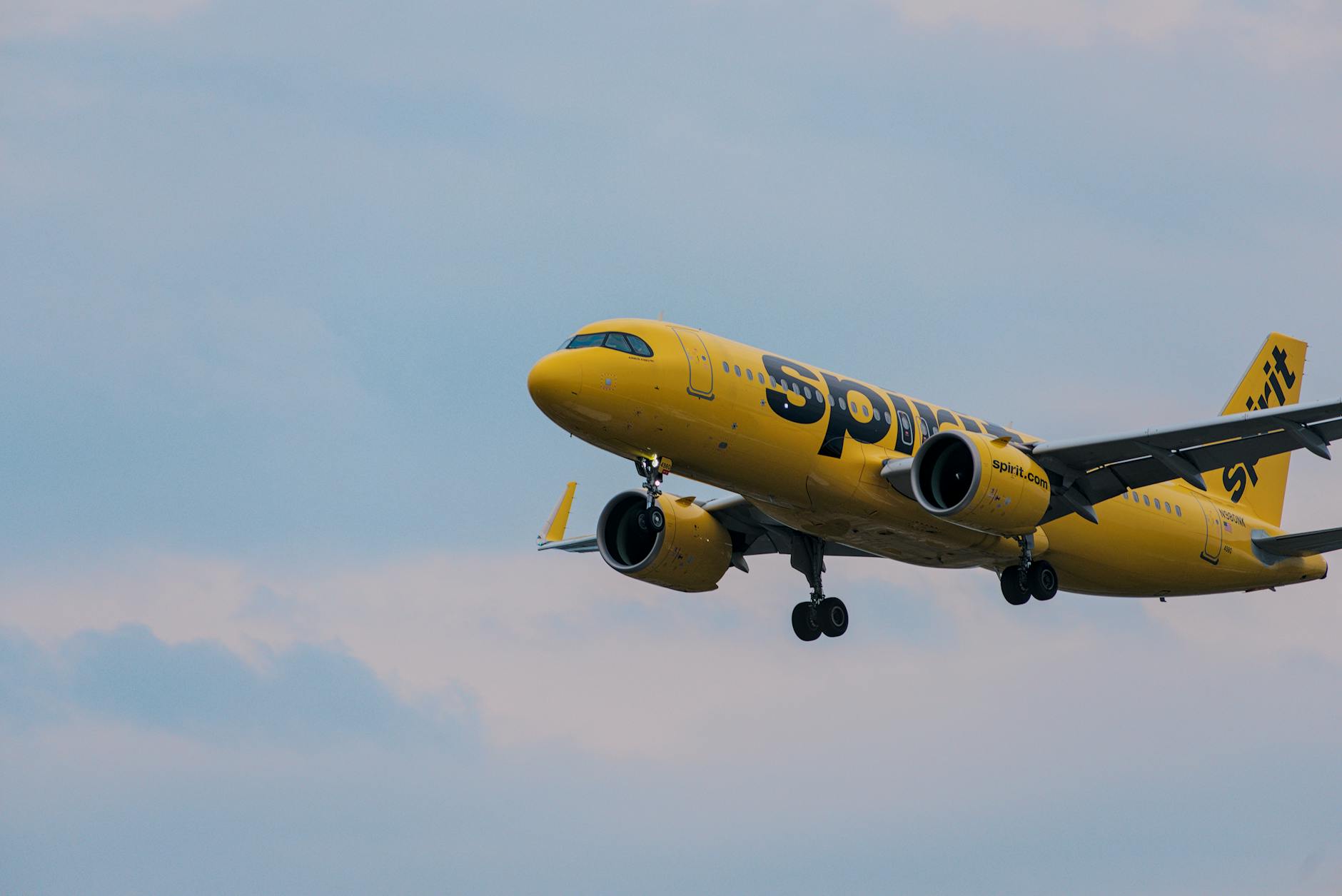
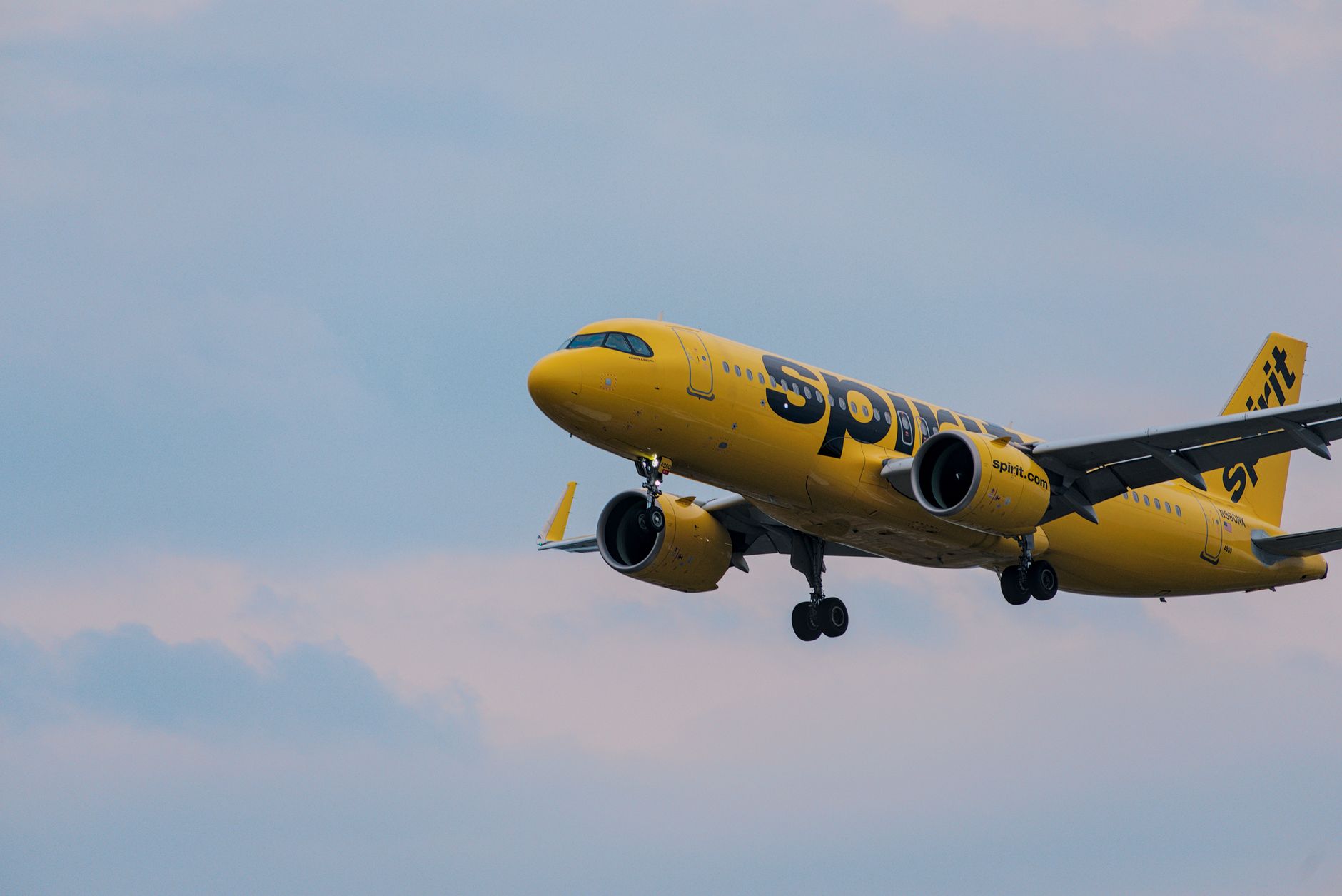
The yellow planes are grounded. For good.
Spirit Airlines — once the scrappy, fee-slinging underdog that made budget air travel a legitimate option for millions of Americans — has officially shut down operations. No more last-minute $49 fares to Fort Lauderdale. No more charging you separately for a carry-on, a window seat, and the audacity to print your boarding pass at the airport. It’s over.
The airline filed for Chapter 11 bankruptcy protection in November 2024, but the story didn’t end there — it accelerated off a cliff. Failed merger talks with Frontier, a debt load that would make your eyes water, and a post-pandemic travel market that punished the ultra-low-cost model harder than anyone publicly admitted. By early 2025, Spirit stopped selling tickets. Then it stopped flying entirely.
Here’s the uncomfortable truth: a lot of people found out Spirit was done the same way they find out about most financial disasters — at the worst possible moment. Standing at a gate. Staring at a cancellation notice. Holding a ticket worth exactly zero dollars.
If that’s you, or if you’ve got future bookings, miles sitting in your Free Spirit account, or a credit card charge you’re trying to claw back — this is what you need to do, right now, in the right order. The window to act is shorter than you think.
What’s Behind It
The Business Model That Finally Broke
Spirit’s collapse didn’t happen in a vacuum. It was the logical, if painful, conclusion of a business model that was always betting on volume over margin — and a market that stopped cooperating.
The ultra-low-cost carrier (ULCC) model is brutally simple: strip the base fare to almost nothing, then monetize every conceivable add-on. Bag fees. Seat selection fees. Printing fees. The theory works beautifully when fuel is cheap, planes are full, and consumers are price-obsessed above all else. Post-pandemic, none of those conditions held cleanly.
Fuel costs surged. Labor costs — long suppressed across the industry — finally normalized upward as pilots and crew found real leverage in a tight market. And critically, the major carriers got smart. Delta, United, and American built out their own “basic economy” tiers, effectively poaching Spirit’s core customer without Spirit’s operational headaches. When the big guys start undercutting your only selling point, you’re not competing anymore. You’re just surviving — until you aren’t.
Spirit’s attempted merger with Frontier in 2022 could have created a combined ULCC powerful enough to compete on scale. The Department of Justice blocked JetBlue’s rival acquisition bid on antitrust grounds, and the whole thing unraveled into a corporate soap opera that consumed two years of management bandwidth Spirit simply didn’t have to waste.
When the big carriers started offering basic economy, Spirit wasn’t disrupting anymore — it was just cheaper and worse.
Bankruptcy to Shutdown: The Fast Collapse
The Chapter 11 filing in November 2024 was supposed to be a restructuring — a chance to shed debt, renegotiate leases, and emerge leaner. Airlines have done it before. United did it. American did it. Delta did it twice.
But Spirit’s situation was structurally different. Its debt load was severe, its brand equity was low, and the post-restructuring business case was genuinely hard to make. Who is Spirit for, in a world where basic economy exists everywhere? The answer, apparently, wasn’t compelling enough for debtor-in-possession financing to hold together.
When restructuring talks collapsed and no buyer emerged at a price that made sense, the math became terminal. Planes were returned to lessors. Employees were furloughed and then let go. The Free Spirit loyalty program, already a punchline, became a ghost. Flights were cancelled en masse, and the airline ceased operations — leaving travelers holding tickets, rewards balances, and a very specific kind of financial frustration that demands immediate, methodical action.
The speed of the final shutdown caught many off guard. That’s not unusual in airline bankruptcies. When the money runs out and the planes stop flying, it happens fast.
Why It Matters
Your Money Is Still Recoverable — If You Move Fast
The most important thing to understand about an airline shutdown is that your options don’t evaporate immediately — but they do shrink over time, sometimes dramatically. Here’s where your leverage actually lives.
If you paid for your Spirit ticket with a credit card, you have a legitimate path to recovery through a chargeback. Under the Fair Credit Billing Act, you can dispute a charge for a service that was not delivered — which a cancelled flight from a defunct airline absolutely qualifies as. Contact your card issuer immediately. Most issuers have a window of 60 to 120 days from the transaction date, though some extend further for travel purchases. Don’t wait to see how the bankruptcy plays out. File the dispute now.
If you paid with a debit card, your protections are weaker but not nonexistent. Visa and Mastercard both offer dispute processes for debit transactions, though the timelines are tighter and the outcomes less predictable. The Consumer Financial Protection Bureau maintains guidance on dispute rights for both credit and debit transactions — worth reviewing before you call your bank.
Travel insurance is another avenue, but it depends entirely on your policy. “Cancel for any reason” policies are your best bet. Standard policies may cover airline default if the insurer defines it as a covered reason — read the fine print, and file the claim before your policy’s reporting window closes.
Free Spirit Miles and What They’re Worth Now
Short answer: almost certainly nothing. Longer answer: it depends on what happens in bankruptcy proceedings, and you should assume the worst while monitoring for any surprise.
Loyalty program balances are typically classified as unsecured liabilities in airline bankruptcies. That means Free Spirit miles sit at the back of the creditor line, behind secured lenders, aircraft lessors, and employees. In liquidation scenarios — which Spirit is effectively approaching — unsecured creditors often recover pennies on the dollar, if anything at all.
There’s no federal protection for airline loyalty miles the way FDIC insurance protects bank deposits. What you accumulated over years of flying Spirit is, legally speaking, a contractual obligation the airline can shed in bankruptcy court. It’s a brutal reality, and one the airline industry has never had to clearly disclose in a way that would make consumers think twice before hoarding points over cash savings.
- Credit card chargeback: File immediately with your issuer — strongest recovery option for ticket purchases
- Travel insurance claim: Check your policy for “airline default” as a covered event and file within the reporting window
- Free Spirit miles: Likely worthless in liquidation — monitor bankruptcy court filings for any creditor recovery plan
- Checked baggage fees: Dispute these as separate charges if the service was never rendered
- Co-branded credit card rewards: Contact the card issuer directly — some co-branded cards convert points to cash equivalents
What to Watch
Spirit’s shutdown isn’t just a travel inconvenience story. It’s a signal flare for the broader ultra-low-cost airline sector — and a live case study in what happens when a consumer-facing company fails with your money still on the table.
Here’s what to actively track over the coming weeks and months:
- Bankruptcy court filings: Spirit’s Chapter 11 case will include creditor schedules, asset sales, and any distribution plans. Public filings are accessible through PACER (the federal court system). If there’s any recovery for unsecured creditors — including loyalty members — it will show up here first.
- Asset acquisition announcements: Competitors or private equity buyers may scoop up Spirit’s routes, slots, or aircraft. If a buyer assumes certain liabilities (including some loyalty obligations), that changes the calculus for miles holders. Watch for press releases from Frontier, Allegiant, or Sun Country specifically.
- DOT consumer protection actions: The Department of Transportation has authority over airline consumer refunds and has been increasingly aggressive post-pandemic. Monitor DOT press releases for any enforcement action or guidance specific to Spirit passengers — the agency has previously compelled refunds in high-profile airline failures.
- Credit card issuer policy updates: Major issuers sometimes extend chargeback windows or issue blanket guidance during high-profile airline collapses. Check your issuer’s website and sign up for account alerts.
- State attorney general actions: Several AGs have historically pursued consumer restitution in airline cases. If you’re in a state with an active consumer protection office, a complaint filed there can sometimes accelerate individual outcomes.
The bigger picture: Spirit’s death isn’t the end of budget flying in America, but it is a warning shot. Frontier, Allegiant, and Sun Country are all watching what killed Spirit and recalibrating. Expect consolidation, fare increases at the low end of the market, and — if you’re a frequent budget flyer — a meaningful reduction in ultra-cheap options on popular domestic routes.
For now, the immediate move is simple: document everything, dispute charges fast, and don’t wait for the bankruptcy court to solve your problem. It won’t, at least not on your timeline.
Stay Ahead of the Market
Get our daily finance briefing — sharp insights from 16 trusted sources, delivered free.
Dig Deeper
This article is for informational purposes only and does not constitute financial, tax, or legal advice. Consult a qualified professional for guidance specific to your situation.