Canada’s Crypto ATM Ban: The End of an Era?
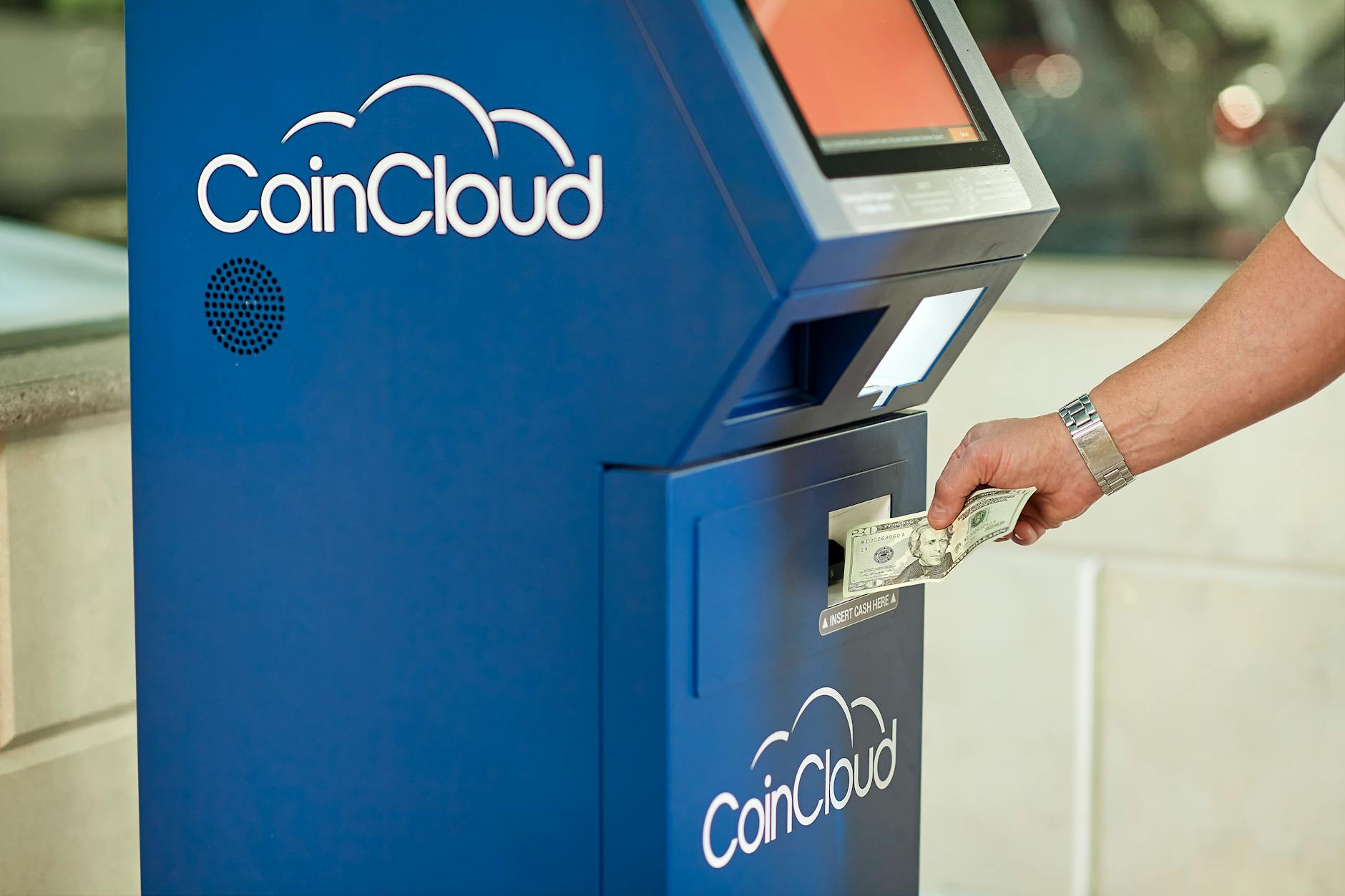

The Hook
Walk into a convenience store in Toronto, slip in some cash, and within minutes your money is untraceable crypto — no bank, no ID check, no questions asked.
That window is closing.
Canada’s government has moved to ban crypto ATMs entirely, labeling them the “primary method” used by scammers to defraud everyday citizens and funnel dirty money through the financial system. This isn’t a regulatory tweak or a compliance nudge — it’s a full shutdown order targeting a piece of infrastructure that has quietly become the preferred on-ramp for fraudsters operating across the country.
The move is blunt, and deliberately so. Ottawa isn’t threading a needle here. There’s no proposed licensing regime, no “approved operator” carve-out, no grace period for the industry to clean up its act. The government looked at the data, called crypto ATMs what they are — a fraud machine with a screen — and decided the whole category has to go.
For crypto’s broader legitimacy narrative, this is an uncomfortable moment. The industry has spent years arguing it can self-regulate, that bad actors are the exception, and that the technology itself is neutral. Canada just disagreed, in writing, at the policy level.
The implications stretch well beyond a few hundred kiosk operators scrambling to unplug their machines. This is a signal — from one of the world’s most crypto-adjacent G7 economies — that the era of permissionless physical crypto infrastructure may be over before it ever really began.
What’s Behind It
The fraud pipeline hiding in plain sight
Crypto ATMs were never supposed to be controversial. When the first machines appeared roughly a decade ago, they were pitched as financial inclusion tools — a way for the unbanked to access digital assets, a bridge between physical cash and the blockchain economy.
The reality turned out to be almost perfectly inverted.
Because crypto ATMs typically require minimal or no identity verification, accept cash with no paper trail, and execute irreversible transactions, they became the tool of choice for a specific and growing category of crime: elder fraud and romance scams. The playbook is grimly consistent — a victim is manipulated into withdrawing cash from their bank account and depositing it into a crypto ATM, converting their life savings into digital assets that vanish within seconds.
Banks and law enforcement have flagged this pattern repeatedly. Once that transaction clears, there is functionally no recovery mechanism. No chargeback, no fraud reversal, no FDIC backstop. The money is gone.
Canada’s government didn’t arrive at the word “primary” by accident. That framing — calling crypto ATMs the primary method for fraud — is a deliberate legal and political escalation. It positions the machines not as a tool occasionally misused, but as infrastructure whose dominant use case is criminal.
When regulators call your product the “primary method” for fraud, you’re not facing a compliance problem — you’re facing an extinction event.
That’s a significant rhetorical and regulatory threshold to cross, and it almost certainly reflects internal data from Canadian law enforcement that the public hasn’t seen yet.
Why Canada moved first among its peers
Canada occupies a peculiar position in the global crypto landscape. It was home to one of the world’s earliest Bitcoin ETFs, its regulators have engaged seriously with digital asset policy for years, and its financial system is sophisticated enough to distinguish nuance when it wants to.
The fact that Canada — not a crypto-hostile jurisdiction — is the one pulling the trigger on a full ATM ban tells you something important. This isn’t ideological. It’s operational.
Canadian authorities have apparently concluded that the compliance cost of trying to regulate crypto ATMs into legitimacy exceeds any plausible economic benefit the machines provide. When you weigh financial inclusion arguments against documented fraud pipelines targeting vulnerable populations, the math stops being complicated.
What’s notable is what the ban doesn’t touch. Canada isn’t moving against crypto exchanges, DeFi protocols, or digital asset custody in this action. The surgical targeting of ATMs specifically suggests the government is drawing a clear line: regulated, KYC-compliant digital asset infrastructure is acceptable; anonymous cash-to-crypto machines are not. That distinction matters enormously for how other regulators interpret and potentially replicate this move.
Why It Matters
The domino nobody’s pricing in yet
Here’s what most miss in the immediate coverage: Canada banning crypto ATMs isn’t the story. Canada banning crypto ATMs and calling them the primary fraud vector is the story — because that language creates a template.
When a G7 government produces official policy language labeling a specific crypto product category as the dominant instrument of financial crime, that language gets copied. It shows up in parliamentary testimony in the UK. It gets cited in EU working group documents. It appears in Australian Treasury consultations. Policy language is contagious, and Ottawa just gave every crypto-skeptical regulator on earth a pre-written justification.
Crypto ATM operators in the United States, Europe, and Asia should be reading this announcement with considerably more urgency than the headlines suggest. The regulatory ground underneath them just shifted — not because of anything they did last week, but because a peer jurisdiction made a definitive call that will be hard for others to ignore.
For the broader crypto industry, the challenge is reputational. Every time a government produces documentation linking crypto infrastructure to fraud at scale, it reinforces a narrative the industry has been fighting for years. The ban gives that narrative an official, citable, policy-level anchor.
The victims nobody mentions in the debate
Lost in the regulatory and industry reaction is the population that actually matters here: the people who got robbed.
Crypto ATM fraud disproportionately targets older adults, recent immigrants, and people with limited financial literacy — populations that are already underserved by traditional financial protection frameworks. These aren’t sophisticated investors who took a risk. They are people who were deceived, often by elaborate and emotionally manipulative schemes, into converting their savings into an irreversible digital transaction.
The Canadian government’s move, whatever its downstream effects on the industry, is at its core a consumer protection action. That framing tends to get buried under debates about regulatory overreach and crypto’s future — but it shouldn’t be.
- Fraud victims: Stand to benefit directly, with a key cash-out mechanism for scammers removed from the equation
- Crypto ATM operators: Face immediate business destruction with no apparent transition pathway offered
- Regulated exchanges: May absorb some displaced legitimate use, but also inherit heightened regulatory scrutiny by association
- Peer regulators globally: Now hold a ready-made policy blueprint with G7 credibility behind it
What to Watch
The ban announcement is the starting gun, not the finish line. What happens next will determine whether this becomes a contained Canadian policy story or a global inflection point for crypto’s physical infrastructure layer.
The signals worth tracking closely over the coming months:
- US regulatory response: Watch whether the Financial Crimes Enforcement Network or state-level money transmitter regulators cite Canada’s action in any new guidance — that’s the clearest sign the policy is spreading
- Legislative language overseas: Monitor UK, EU, and Australian parliamentary and regulatory proceedings for any adoption of the “primary method” framing — borrowed language signals borrowed intent
- Industry legal challenges: Crypto ATM operators will almost certainly push back through legal channels; the strength and outcome of any constitutional or administrative challenge will set precedent for how far governments can go in banning entire crypto product categories
- Fraud data post-ban: If Canadian law enforcement releases statistics showing reduced fraud rates after the machines go dark, that evidence becomes the most powerful tool regulators in other jurisdictions will have — expect it to be cited aggressively
- Displacement effects: Watch whether scammers simply pivot to peer-to-peer platforms, gift cards, or wire transfers — if they do, it undercuts the ban’s efficacy argument and potentially defuses its appeal as a global template
The deeper question Canada has put on the table is one the entire industry needs to sit with: at what point does a product’s documented harm outweigh its theoretical utility? Crypto ATMs are not the last product that question will be asked about.
Crypto markets have absorbed regulatory shocks before and will again. But the accumulation of individual product bans — each justifiable on its own terms — is how a permissive regulatory environment slowly becomes a restrictive one. Operators and investors who are watching this as a niche story about kiosk machines are misreading the frame entirely.
This is about whether governments believe crypto infrastructure can be trusted to police itself. Canada just submitted its answer.
Stay Ahead of the Market
Get our daily finance briefing — sharp insights from 16 trusted sources, delivered free.
