Tennessee Bans Crypto ATMs — Who’s Next?

The Hook
In Tennessee, it is now a criminal offense to own or operate a Bitcoin ATM. Not a fine. Not a license suspension. A crime.
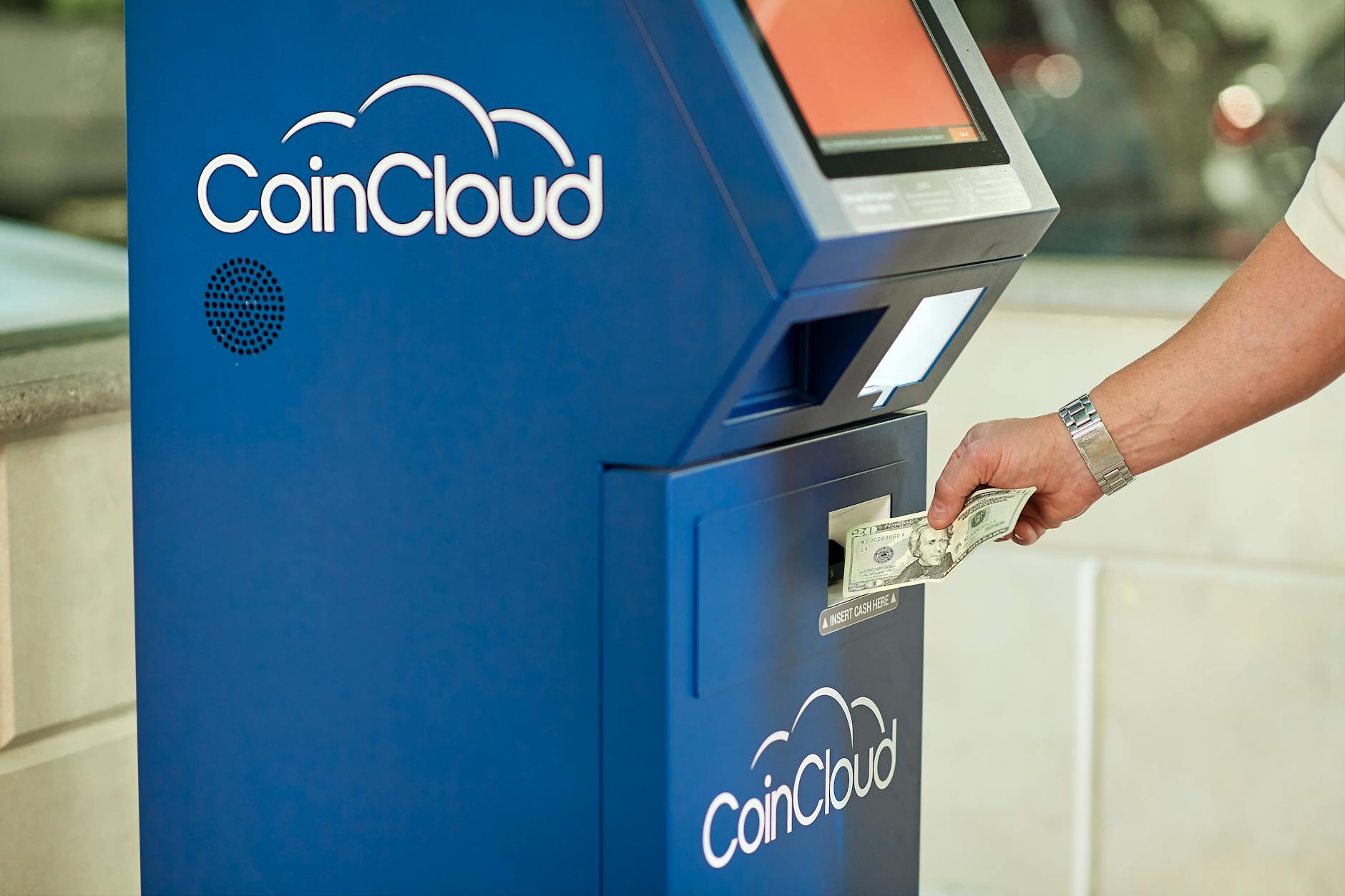
That’s the new reality after Tennessee became the second U.S. state to outlaw Bitcoin and crypto ATMs outright — a move that should send a chill through every operator humming away in a gas station or check-cashing shop across the country.
Most headlines will frame this as a regulatory footnote. It isn’t. This is a state government criminalizing infrastructure — the physical pipes through which millions of everyday Americans, many of them unbanked, move money in and out of the crypto ecosystem.
When governments stop issuing warnings and start issuing criminal charges, the game has changed.
What’s Behind It
Let’s be direct about what crypto ATMs have become in the public narrative: magnets for fraud. Regulators and law enforcement have spent years documenting how these machines get exploited — romance scams, grandparent cons, fake IRS demands — all funneled through anonymous kiosks that move cash into crypto faster than any bank wire.
But here’s what most miss: the machines themselves aren’t the scam. They’re the symptom. The actual fraud happens upstream — in a phone call, a fake website, a manipulated elder. The ATM is just the last mile of a con that could just as easily run through a wire transfer or a gift card.
Tennessee isn’t the first to reach this conclusion — it’s the second state to criminalize ownership and operation of these machines, meaning there’s now a pattern forming, not an outlier.
What makes this particularly sharp is the framing: criminal offense. Legislators didn’t regulate. They didn’t cap transaction fees or mandate ID verification. They criminalized. That’s a deliberate, aggressive posture — and it signals that some state legislatures have grown impatient with the incremental compliance approach the crypto industry has long preferred.
The counterintuitive read? This may actually accelerate federal action. When states start drawing hard criminal lines, Washington tends to step in — either to harmonize or to push back. Either outcome reshapes the playing field for every crypto operator in America.
Why It Matters
The immediate losers are obvious: crypto ATM operators doing business in Tennessee now face criminal liability just for keeping their machines plugged in. There’s no grace period in the framing here — own it, operate it, break the law.
But the blast radius is wider than Tennessee’s borders. Investors and operators in other states now have a live case study of what aggressive legislative action looks like — and a reason to price that risk into every new machine deployment, every lease agreement, every expansion plan.
The unbanked population takes a quiet hit here too. Crypto ATMs, for all their flaws, have served as on-ramps for people locked out of traditional banking. Remove the machines, and you don’t eliminate the need — you just eliminate the access point, pushing that population toward less regulated, less visible alternatives.
As for Bitcoin’s broader market position, a state-level ATM ban doesn’t move the price needle directly. But it contributes to a regulatory atmosphere that institutional players watch closely. Every criminal statute on the books is a data point that compliance teams at major exchanges and asset managers have to absorb.
The provocative truth: banning the ATM doesn’t ban the asset. Bitcoin doesn’t need a kiosk to survive. But the message being sent — that physical crypto infrastructure can be criminalized — is a preview of how far some governments are willing to go.
What to Watch
Track which state moves third. Two states is a trend. Three is a movement — and at that point, federal legislators will struggle to stay on the sidelines.
Watch for legal challenges. Crypto ATM operators facing criminal exposure don’t quietly shut down — they litigate. A court challenge in Tennessee could either reinforce or unravel the statute, and either outcome sets precedent.
Monitor federal regulatory signals. If the U.S. moves toward a unified framework for crypto ATMs — whether permissive or restrictive — state-by-state patchwork becomes moot overnight.
And keep an eye on the unbanked access narrative. If advocacy groups and financial inclusion organizations push back hard on the human cost of these bans, it could complicate the political math for other state legislatures considering similar moves. The story isn’t over. It’s just getting loud.
Stay Ahead of the Market
Get our daily finance briefing — sharp insights from 16 trusted sources, delivered free.
