Petroyuan Myth: Why the Dollar Won Two Wars

The Hook
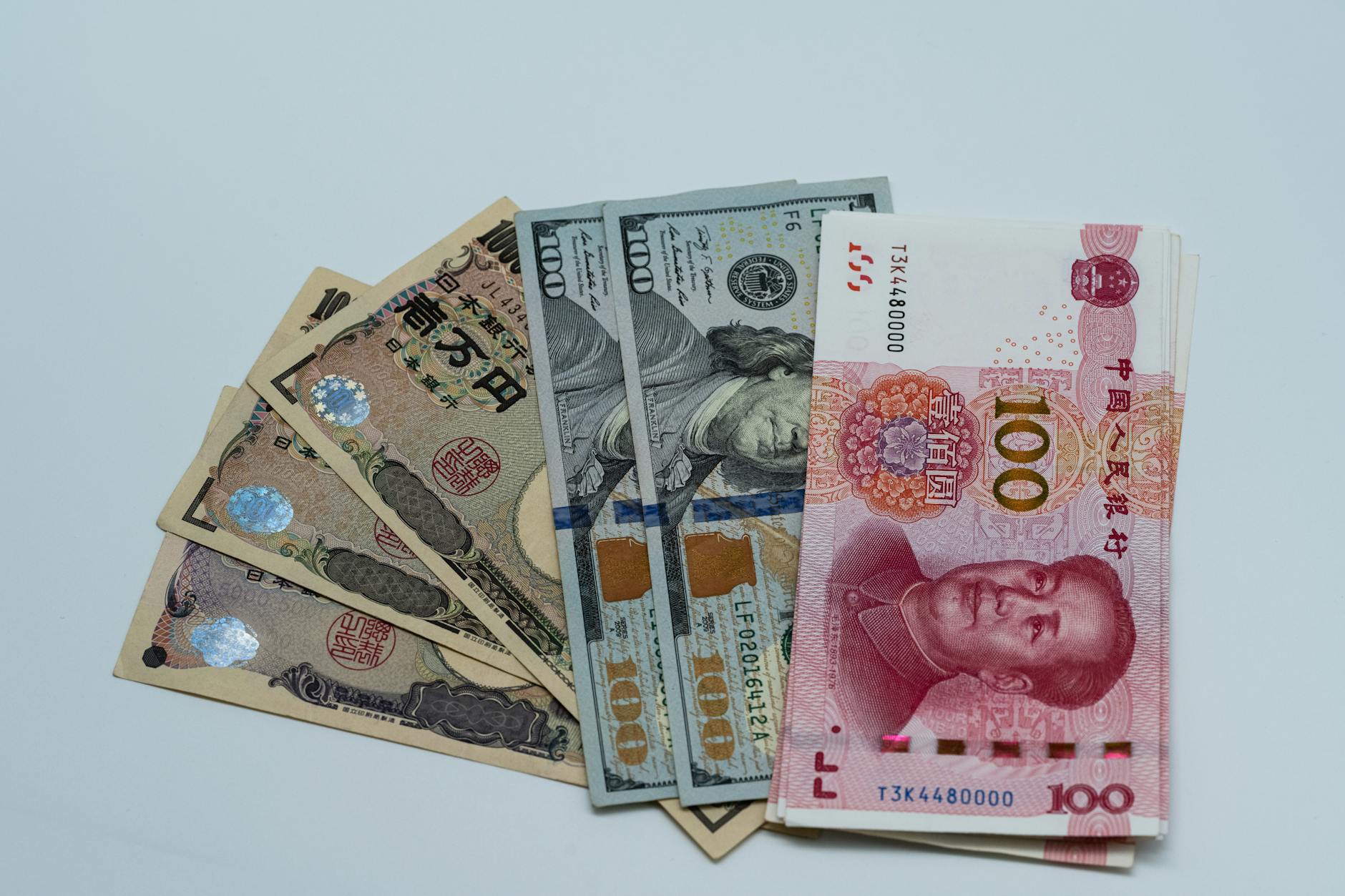
Two wars. Sweeping sanctions. A coordinated push by Moscow, Beijing, and Tehran to bury the dollar. The result? The yuan’s share of global payments just fell to 2.71 percent — and Russia wants its dollars back.
That’s the punchline nobody in the de-dollarization crowd saw coming. For years, every geopolitical rupture was treated as the dollar’s death knell. Ukraine would accelerate it. Iran would seal it. Instead, the data from SWIFT’s RMB Tracker tells a quieter, more damning story: the yuan is losing ground, not gaining it. And the architecture that was supposed to replace the dollar is quietly unraveling from the inside.
What’s Behind It
Here’s what most miss: the yuan’s big moment was never organic. It was a sanction-driven workaround, not a genuine market preference.
Between 2020 and 2024, the yuan’s share of global trade settlement rose from roughly 2 percent to a peak of 4.7 percent. That was the headline. The fine print tells a different story. A massive chunk of that growth traced back to a single corridor — Russia and China — after Western sanctions cut Moscow off from the dollar system in 2022.
Russia–China bilateral trade grew from around $117 billion to $245 billion over that period. Yuan settlement went from near zero before the Ukraine invasion to roughly 60 percent of bilateral trade by 2024. That one relationship alone accounted for an estimated 15 to 20 percent of the entire global increase in yuan-settled trade flows.
But Russia was never a yuan convert. It was a yuan hostage. The Kremlin drafted a memo this year outlining seven areas of economic convergence with Washington — including a proposed return to dollar settlement for Russian energy transactions. The stated reason: dollar integration would stabilize Russia’s balance of payments. Translation — the yuan arrangement was failing them financially, and Putin has no interest in becoming the number two player in a Beijing-run world order.
The petroyuan narrative around Iran fared no better. Despite bold predictions from Deutsche Bank’s FX Managing Director Mallika Sachdeva that the Iran conflict could mark “the beginnings of the petroyuan,” and Bloomberg declaring it “China’s Global Payments Debut,” the evidence on the ground amounted to two ships paying a toll — with no confirmed yuan denomination, and no ship names released by Lloyd’s List.
Why It Matters
The IMF’s COFER data for Q3 2025 put the yuan’s share of global foreign exchange reserves at 1.93 percent — down from 1.99 percent the prior quarter. The dollar sat at 56.92 percent. That is not a currency on the verge of displacement. That is a currency holding its structural dominance while its supposed rivals circle the drain.
The counterintuitive insight here is worth sitting with: Washington’s most aggressive use of financial warfare — weaponizing the dollar through SWIFT exclusions and sanctions — was supposed to accelerate dedollarization by giving non-Western nations every incentive to build off-ramps. The logic was sound. The outcome wasn’t.
Countries didn’t flee the dollar. They fled the instability that came with trying to replace it. Russia’s implicit admission that yuan-based arrangements failed to deliver monetary stability is the loudest signal yet that there is no functional substitute ready to absorb global trade flows at scale.
If Russia re-dollarizes — even partially — the yuan’s already thin 2.71 percent slice of global payments will shrink further. The much-celebrated rise from 2 to 4.7 percent starts looking less like internationalization and more like a temporary detour caused by an extraordinary geopolitical shock that is now partially reversing.
For the dollar, this is validation. For yuan bulls and de-dollarization advocates, this is a reckoning. The theory wasn’t wrong. The timing, the infrastructure, and the political will simply weren’t there.
What to Watch
Three signals will tell you whether this trend is structural or just a pause.
First, watch SWIFT RMB Tracker data month-over-month. A continued decline below 2.71 percent as Russia-China flows normalize would confirm the reversal is real, not noise.
Second, watch IMF COFER reserve data each quarter. If the yuan’s reserve share keeps sliding below 1.93 percent, central banks are quietly voting with their balance sheets.
Third, watch whether Russia formally announces a return to dollar-denominated energy settlement. That single policy shift would strip away the largest single contributor to yuan trade growth since 2022 — and force a rewrite of every de-dollarization forecast still circulating on trading desks.
The petroyuan had its window. It didn’t climb through.
Stay Ahead of the Market
Get our daily finance briefing — sharp insights from 16 trusted sources, delivered free.