Fuel Costs Are Grounding Your Travel Budget

The Hook
You booked that flight six months ago. You got the deal. You felt smart. Then you checked the price of a seat on the same route last week — and it was $180 higher. No major holiday. No sold-out concert. Just jet fuel doing what jet fuel has been doing lately: costing airlines a fortune and costing you more every time you try to go somewhere.
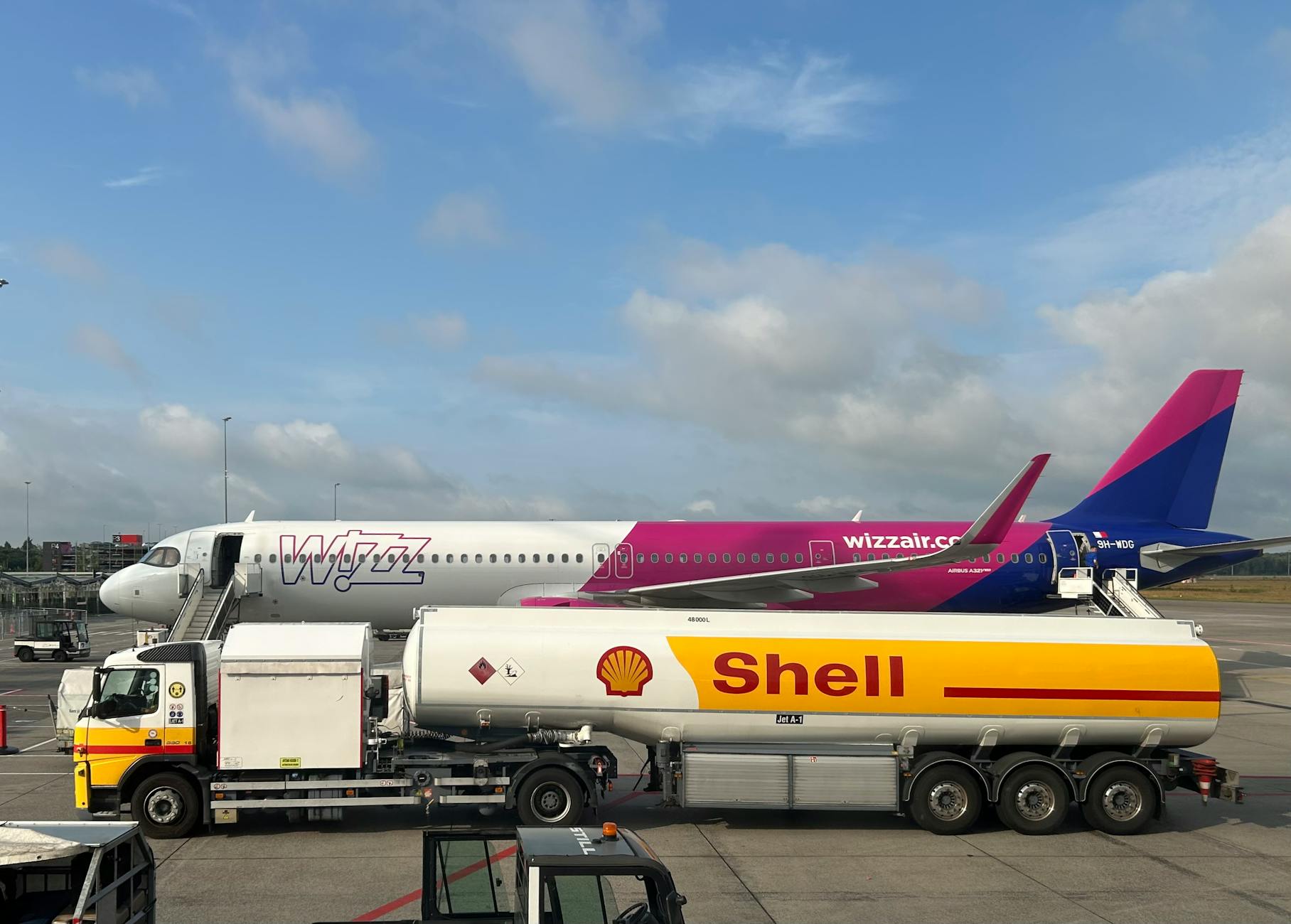
Jet fuel accounts for roughly 20% to 30% of an airline’s total operating costs in normal times. When prices spike — and they have, dramatically, driven by crude oil volatility, refinery constraints, and geopolitical pressure — airlines don’t quietly absorb the hit. They pass it on. Through ticket prices. Through trimmed routes. Through fees you didn’t see coming.
But here’s what most miss: the impact isn’t just a number on your booking confirmation. Surging fuel costs are reshaping the entire architecture of air travel — where airlines fly, how often, and who gets priced out entirely. The leisure traveler, the budget-conscious family, the remote worker catching a cheap red-eye — all of them are sitting in the crosshairs of an energy market they never signed up to care about.
Three pressure points are defining this moment. And understanding them isn’t just interesting. It’s the difference between a travel budget that holds and one that quietly blows up.
What’s Behind It
Oil markets don’t care about your vacation
The price of jet fuel tracks closely with crude oil benchmarks — Brent crude in particular. When crude climbs, jet fuel follows, usually with a short lag. The volatility we’ve seen in global energy markets over the past few years, accelerated by the war in Ukraine, OPEC+ production decisions, and lingering post-pandemic demand surges, has kept fuel prices elevated and unpredictable.
Airlines hedge against fuel price swings — locking in future purchase prices through financial contracts — but hedging is expensive, imperfect, and time-limited. A carrier that hedged aggressively in 2022 may be exposed now. A carrier that didn’t hedge at all is bleeding in real time. Either way, when fuel budgets run over, the math has to balance somewhere, and it almost always balances on the back of the passenger.
The mechanism is straightforward: airlines file fare increases with a speed that would impress any Wall Street trading desk. When jet fuel jumps 10%, expect base fares on competitive routes to start creeping up within weeks. On thinner routes — regional flights, secondary markets, international routes with limited competition — the increases can be sharper and stickier. That cheap connecting flight through a mid-tier hub? It just got recalculated.
When jet fuel jumps 10%, your ticket price follows — often before you even start searching.
Route cuts hit harder than fare hikes
Price increases are visible. Route cuts are quieter — and in many ways, more damaging. When fuel costs make a particular route unprofitable, airlines don’t send a press release. They simply reduce frequency, swap in a smaller aircraft, or discontinue the service entirely. The passenger finds out when they try to book and the options have evaporated.
This is already happening in smaller markets. Regional carriers, which operate shorter routes with less fuel-efficient aircraft, are disproportionately squeezed. Some have scaled back significantly. The result: travelers in secondary cities face fewer options, less competition, and — you guessed it — higher fares on the routes that remain.
For major hub-to-hub routes, airlines have more flexibility to absorb costs through volume. But even here, the calculus is shifting. Long-haul international routes, once aggressively expanded post-pandemic, are being scrutinized route by route. If the fuel burn doesn’t justify the load factor, the route gets trimmed. It’s not personal. It’s a spreadsheet decision made 30,000 feet above anyone’s travel plans.
Why It Matters
Your wallet feels it three different ways
The most direct impact is the sticker price on your ticket. But fuel-driven cost pressure has a habit of migrating into corners of the travel experience you weren’t watching. Checked bag fees — already a $7 billion annual industry — have been quietly nudged higher by several carriers. Change fees, briefly abolished during the pandemic in a moment of competitive goodwill, have crept back on basic economy fares. Seat upgrade upsells are being pushed harder at checkout.
Airlines are also restructuring their loyalty programs in ways that quietly devalue the miles and points you’ve been banking. When margins tighten, the “free” seat you earned gets more expensive in points, requires more advance booking, or gets restricted to inventory that doesn’t exist on the flights you actually want. The math of your rewards balance just changed, and the airline didn’t have to announce it.
Then there’s the indirect hit: travel insurance costs are rising alongside ticket prices, since most policies are priced as a percentage of the trip cost. Book a $900 round-trip that would have been $650 last year, and your insurance premium just scaled up with it. Every downstream cost in the travel stack is quietly inflating.
Budget travelers bear the steepest climb
Premium and business class travelers are, in a perverse way, somewhat insulated. Airlines actively protect their highest-margin cabins during cost crunches. Economy — and especially basic economy — absorbs the brunt of the adjustment. The seats that were already the most price-sensitive are the ones getting repriced most aggressively.
- Basic economy fares are seeing the steepest percentage increases on competitive short-haul routes
- Budget carriers like Spirit and Frontier, with thinner margins and less hedging capacity, are particularly exposed to fuel volatility
- Family travel is hit disproportionately — four tickets instead of one means every dollar-per-seat increase multiplies fast
- Last-minute bookings carry even higher fuel surcharge exposure as airlines reprice dynamically in real time
The traveler who can afford to book business class six months out, earn status perks, and expense the trip is navigating a different airline than the one you’re booking on a Tuesday night trying to find the cheapest seat to see your family for the holidays. Fuel costs are regressive in their travel impact — and that’s a story the industry rarely tells plainly.
What to Watch
Fuel prices don’t move in a straight line. Neither do airline strategies for absorbing them. The signals worth tracking aren’t always on the front page — but they tend to show up in earnings calls, route announcements, and the fine print of loyalty program updates before most travelers notice.
Here’s what to monitor if you want to stay ahead of it:
- Crude oil benchmarks — Brent crude above $90/barrel historically triggers meaningful fare pressure within 60 to 90 days; track weekly moves if you have travel coming up
- Airline earnings calls — CFOs will explicitly discuss fuel cost per available seat mile (CASM); when that number spikes quarter-over-quarter, fare increases follow
- Route suspension announcements — airlines file route changes with the Department of Transportation; regional market cuts often signal broader network rationalization is coming
- Loyalty program devaluations — watch for award chart changes or “dynamic pricing” expansions on your preferred carrier’s rewards portal
- Budget carrier financial health — ultra-low-cost carriers with limited fuel hedging are early-warning indicators; if they’re raising fees or cutting routes, the rest of the industry is watching the same fuel bills
The strategic play for travelers right now is simple but counterintuitive: book further out on routes you know you need, lean into flexible fare options even when they cost slightly more upfront, and treat your miles balance as a depreciating asset that’s better spent sooner than hoarded.
Fuel costs won’t stay elevated forever — energy markets have cycles, and airlines will eventually find equilibrium. But the window between a fuel spike and a ticket price spike is narrowing as airline pricing algorithms get faster and smarter. By the time the headline says “airfares hit new high,” the price you’re seeing already reflects what happened in the oil market two months ago. The traveler who understands that dynamic books differently. And books cheaper.
Stay Ahead of the Market
Get our daily finance briefing — sharp insights from 16 trusted sources, delivered free.
This article is for informational purposes only and does not constitute financial, tax, or legal advice. Consult a qualified professional for guidance specific to your situation.