Southwest’s 90K Point Bonus: Worth the Hype?
The Hook
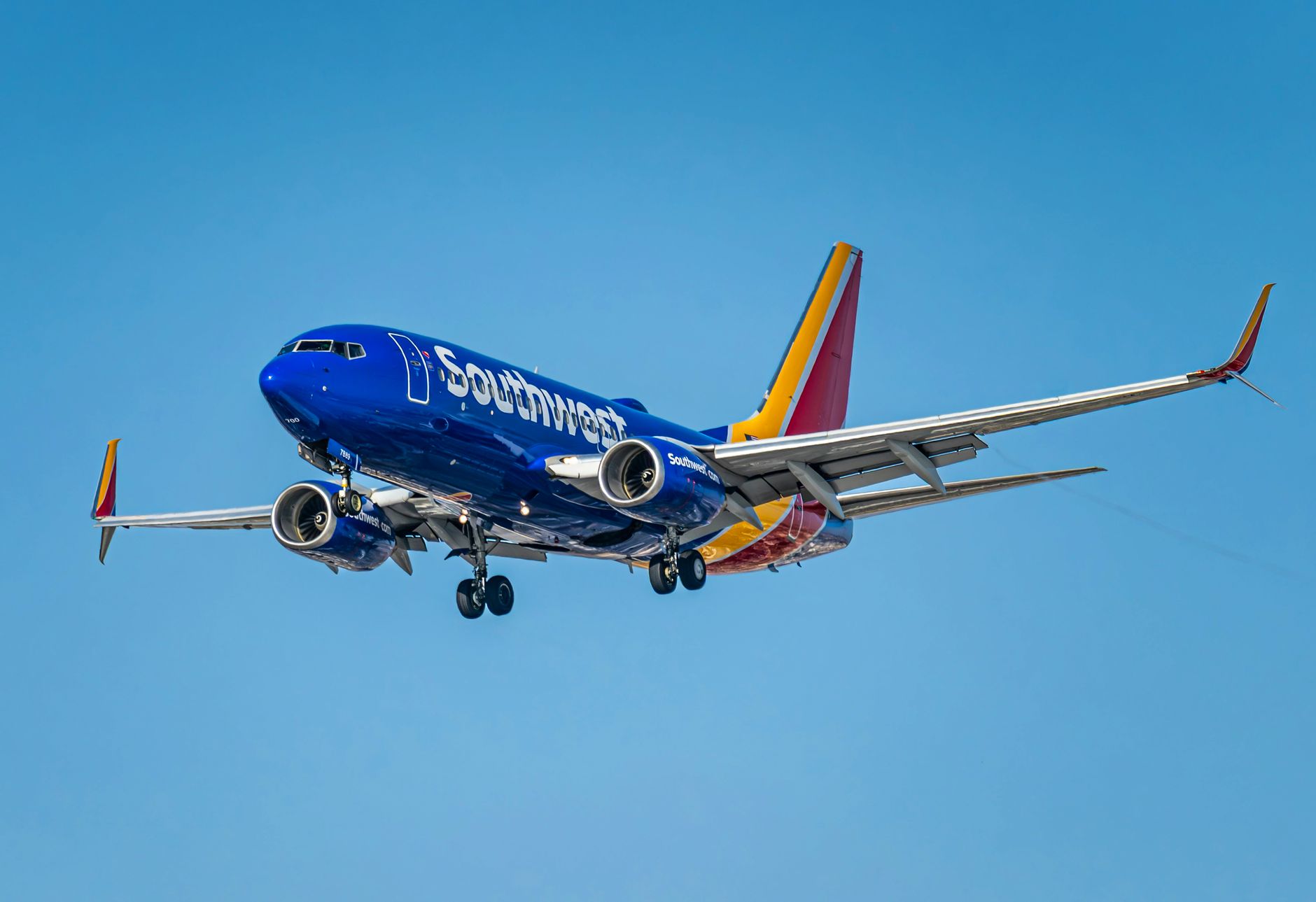
Southwest Airlines just quietly raised the stakes on its credit card welcome bonuses — and if you’ve been sleeping on airline cards, now might be the moment you stop hitting snooze.
The carrier’s consumer and business credit cards are now offering welcome bonuses of up to 90,000 Rapid Rewards points for new cardholders who meet qualifying spend thresholds. That’s not a misprint. Ninety thousand points. For context, Southwest’s Companion Pass — the holy grail of budget travel hacks — requires 135,000 qualifying points in a calendar year. A well-timed card application could get you more than halfway there before you’ve booked a single flight.
But here’s what most miss: limited-time bonus offers like this aren’t just marketing fluff. They’re competitive signals. When an airline dramatically bumps its card incentives, it’s usually chasing something — wallet share, co-brand revenue, or an eroding loyalty base it’s trying to win back.
Southwest has had a turbulent few years. Operationally, financially, and strategically, the airline has been under pressure from investors, a disrupted holiday meltdown in 2022 that burned customer trust, and ongoing structural changes to its seating model. The elevated bonus offer lands at a telling moment — one where the airline needs its most loyal customers to feel rewarded, not abandoned.
So yes, 90,000 points is a real number. But the smarter question isn’t just “how do I get them?” It’s: why now, and what does it actually get you?
What’s Behind It
Southwest’s loyalty math just got interesting
Southwest’s Rapid Rewards program is one of the more accessible in the industry — points don’t expire as long as your account is active, there are no blackout dates, and redemption is straightforward. You’re not navigating a labyrinth of award charts or playing seat-availability roulette. For casual travelers, that simplicity is genuinely valuable.
The current elevated offers vary by card tier. The Southwest Rapid Rewards Plus, Premier, and Priority consumer cards each carry boosted welcome bonuses, with the highest-tier Priority card anchoring the 90,000-point ceiling. Business card holders aren’t left out either — the Performance Business card is also running a competitive offer for new applicants.
The spend requirement to unlock these bonuses matters. Typically, applicants must hit a spending threshold — often in the $3,000–$5,000 range within the first three months — to trigger the full bonus. That’s not trivial for everyday spenders, but it’s also not designed to be punishing. For someone already managing regular household or business expenses, the math can work cleanly.
What makes the timing noteworthy is the competitive pressure Southwest is navigating. Delta, United, and American have all leaned aggressively into their premium card ecosystems. Chase, which co-brands the Southwest cards, has a vested interest in keeping those products compelling.
A 90,000-point welcome bonus isn’t generosity — it’s a loyalty battle fought at the checkout screen.
The Companion Pass angle changes everything
Here’s where the math gets genuinely interesting for the right type of traveler. Southwest’s Companion Pass allows a designated companion to fly with you — free, for the remainder of the calendar year plus the full following year — every time you book a flight using points or cash.
To earn it, you need 135,000 qualifying Rapid Rewards points in a single calendar year. Welcome bonuses from credit cards count toward that threshold. So a new cardholder who captures a 90,000-point welcome bonus and earns even modest points through regular spending could be sitting just 30,000–40,000 points away from unlocking one of the most valuable perks in domestic travel.
For couples, families, or frequent travelers with a regular companion, the Companion Pass can deliver thousands of dollars in effective travel savings over roughly 18–24 months of validity. That transforms a credit card welcome bonus from a one-time perk into a multi-year travel subsidy.
The strategy isn’t new — points enthusiasts have been engineering Companion Pass qualification for years. But a 90,000-point offer puts it within reach for a broader, less obsessive audience. That’s the real headline buried inside the headline.
Why It Matters
Airline card competition is quietly heating up
The co-branded airline credit card market is a multi-billion-dollar revenue engine, and Southwest’s move doesn’t exist in a vacuum. Airlines increasingly depend on their loyalty programs — and the card partnerships that fund them — as reliable profit centers, often outperforming the core flying business itself.
Delta’s SkyMiles program, for instance, has been valued independently at figures that dwarf the airline’s market capitalization during certain periods. The loyalty-as-a-business model is real, and the credit card welcome bonus is its most visible customer-facing lever.
When one carrier raises bonus offers, others tend to respond. That means consumers who are even mildly travel-motivated have a rare window where competition is doing the work for them. Banks and airlines are essentially bidding for your spending behavior, and the currency they’re using is free flights.
For Southwest specifically, the elevated bonus also signals a strategic pivot toward retention-first thinking. The airline’s shift away from its open-seating model — a change that generated significant backlash from loyal customers — has forced the brand to reinvest in loyalty touchpoints. A more generous card offer is one of the cleaner ways to say “we still value you” without saying it directly.
What kind of traveler actually wins here
Not everyone benefits equally from a 90,000-point haul, and intellectual honesty demands saying so. Rapid Rewards points are tied entirely to Southwest’s route network — which is robust domestically but limited internationally. If your travel priorities skew toward Europe, Asia, or premium cabin experiences, a transferable points currency like Chase Ultimate Rewards or Amex Membership Rewards will almost always outperform a co-branded airline card.
But for a specific traveler profile, this offer is genuinely hard to beat:
- Domestic frequent flyers who primarily travel within Southwest’s U.S. and Caribbean network
- Companion Pass chasers who want to hit the 135,000-point threshold efficiently in a calendar year
- Value-focused travelers who prioritize no blackout dates and straightforward redemptions over aspirational premium awards
- Small business owners who can direct regular business spend through the co-branded business card to accelerate point accumulation
If you fit two or more of those descriptors, the current elevated bonus window is worth a serious look — ideally before the offer expires, because these windows don’t last forever.
What to Watch
The elevated bonus offer is time-limited, though Southwest and Chase haven’t telegraphed a hard expiration date publicly. That’s by design. Urgency without a countdown clock is a well-worn conversion tactic, and it works. But the practical reality is that welcome bonus windows on co-branded airline cards typically run weeks to a few months before resetting to standard offers.
A few signals worth tracking if you’re considering acting on this:
- Offer expiration dates — Check the Southwest and Chase card application pages directly for any stated end dates, as these can shift without broad announcement
- Annual fee changes — Higher welcome bonuses sometimes coincide with annual fee increases or restructured benefits; verify the current fee schedule before applying
- Competing card offers — Delta, United, and Alaska Air cards may respond with their own elevated bonuses, giving you a brief window to comparison shop
- Your credit application timing — Chase’s 5/24 rule (a hard cap on approvals if you’ve opened five or more cards in 24 months) applies here; know your position before applying
- Calendar year Companion Pass strategy — If chasing the Companion Pass, timing your application to January maximizes the validity window of the pass itself
The broader narrative here is one of an airline loyalty ecosystem in active flux. Southwest is rebuilding trust after operational stumbles and product changes that alienated its most vocal fans. Its card partners need those products to remain competitive against an increasingly aggressive field. And consumers — for once — are the ones holding leverage.
Ninety thousand points won’t solve every travel problem, and no credit card offer should be evaluated in isolation from your financial situation, spending habits, and existing debt. The Consumer Financial Protection Bureau offers clear guidance on understanding credit card terms before committing — worth a read if you’re newer to navigating welcome bonus mechanics.
But for the right traveler, at the right moment, this is the kind of offer that quietly funds a year’s worth of flights. That’s not nothing. That’s the whole game.
Stay Ahead of the Market
Get our daily finance briefing — sharp insights from 16 trusted sources, delivered free.
Dig Deeper
This article is for informational purposes only and does not constitute financial, tax, or legal advice. Consult a qualified professional for guidance specific to your situation.