Nasdaq & Russell 2000 Record Highs: Riskier Than You Think
The Hook
Everyone loves a record high. The confetti, the CNBC chyrons, the smug texts from your brother-in-law who bought Tesla calls. But not all record highs are created equal — and right now, two of the most closely watched indexes in the U.S. market are flashing a warning that most retail investors are cheerfully ignoring.
The Nasdaq Composite and the Russell 2000 have both clawed their way back to record territory. On paper, that sounds like a green light. Buy the breakout, ride the momentum, post your gains — classic playbook. Except the data says something more uncomfortable: buying into these particular record highs carries significantly more downside risk than doing the same in the broader market, specifically the S&P 500.
This isn’t a doom-and-gloom call. It’s a geometry problem. When you strip away the noise and look at how these indexes arrived at their highs — the path, the breadth, the valuation runway underneath — the picture changes fast. The S&P 500’s record highs are built on a wider foundation. The Nasdaq and Russell 2000’s? Considerably narrower, and considerably more brittle at the edges.
But here’s what most miss: the risk isn’t just in the indexes themselves. It’s in the behavioral trap they set. Record highs feel safe. They feel like confirmation. And that psychological comfort is exactly where markets extract the most pain from the most people.
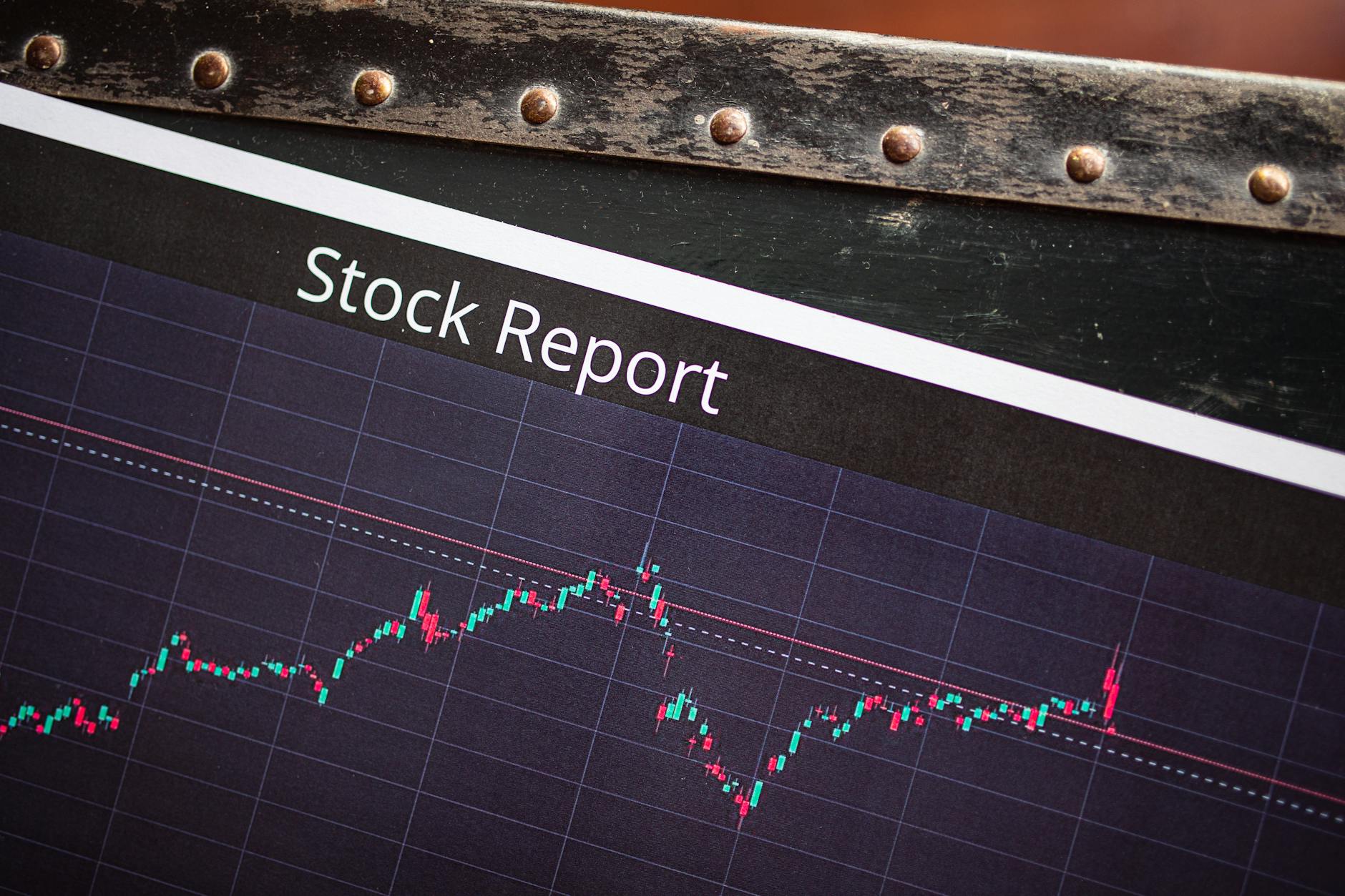
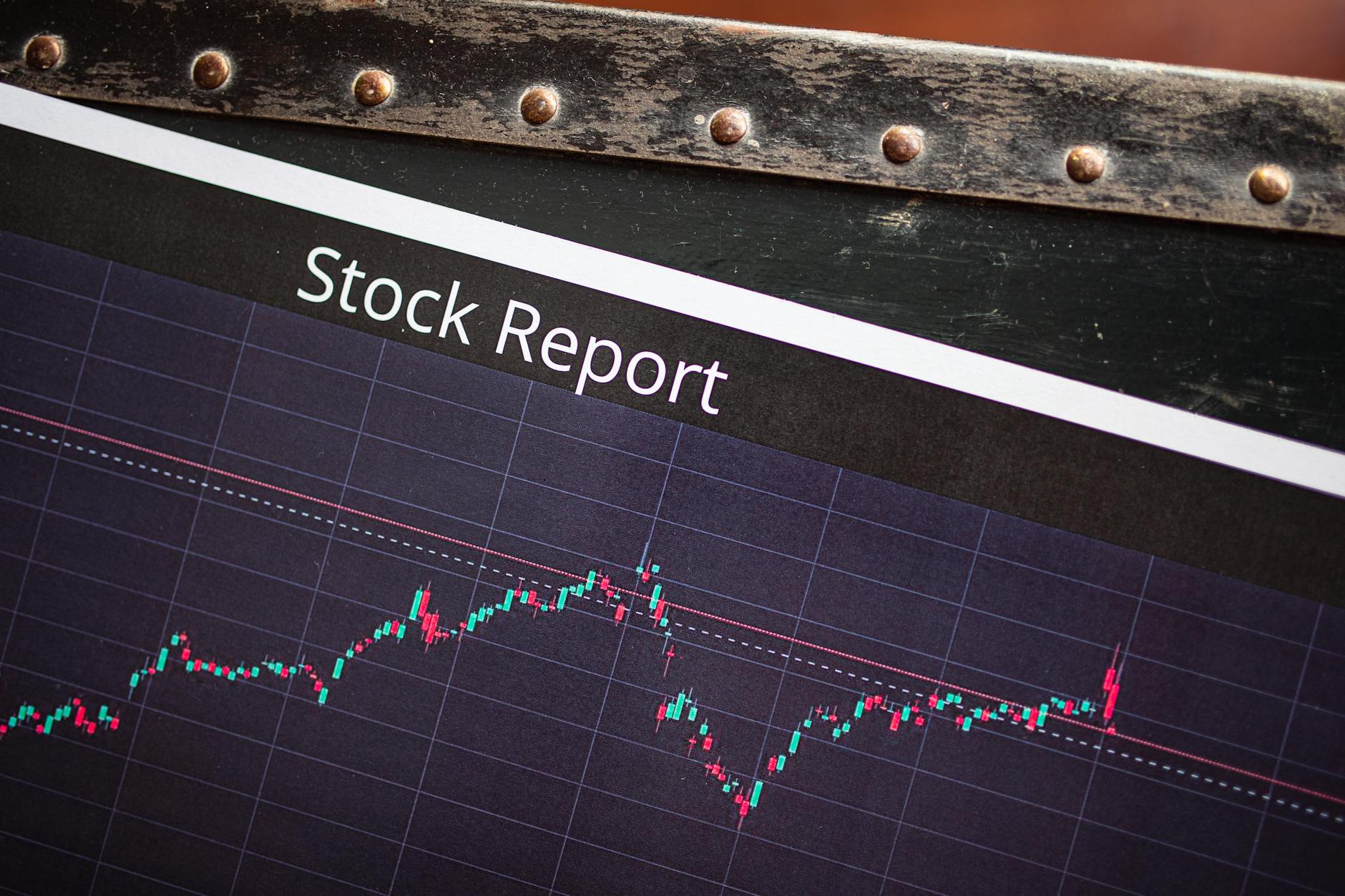
Let’s break down what’s actually driving this divergence — and why the chart of the day might be the most important picture in finance right now.
What’s Behind It
The Nasdaq’s concentration problem
The Nasdaq Composite’s return to record highs looks impressive until you ask one simple question: who did the heavy lifting? The answer, unsurprisingly, is a handful of mega-cap technology names — the usual suspects in the QQQ universe. Think NVDA, MSFT, AAPL, META. A relatively small cluster of names carrying the entire index on their shoulders.
That concentration isn’t new, but it matters more at record highs. When an index reaches new territory on thin breadth — meaning most of its components are still below their own peaks — the structural support is weak. If the lead names stumble, there’s no cavalry coming from the rest of the index to cushion the fall. The broader membership is already lagging, already tired.
Valuation compounds the issue. Nasdaq-listed mega-caps are priced for perfection at these levels. Any earnings miss, any guidance cut, any macro shock that dents the AI narrative — and the repricing can be sharp and fast. Buying a record high in an index this top-heavy means you’re not really buying a diversified basket. You’re making a concentrated bet on a concentrated story. That’s fine if you know it. Most buyers don’t.
Buying a Nasdaq record high isn’t diversification — it’s a concentrated bet wearing a diversified disguise.
The Russell 2000’s false breakout risk
The Russell 2000’s situation is different in character but equally uncomfortable in implication. Small-cap stocks, by definition, are more sensitive to domestic economic conditions — credit availability, consumer spending, interest rate trajectories. The IWM hitting record highs sounds like a broad-market health signal. Historically, small-cap participation in rallies has been seen as confirmation that the economy is firing on all cylinders.
But look closer. The Russell 2000’s path to these highs has been choppy, volatile, and repeatedly interrupted. It’s not the clean, sustained breakout that technicians want to see. It’s more like a series of lunges — sharp spikes followed by retreats, followed by another attempt. That pattern is characteristic of a market that’s being pushed to new highs by sentiment and momentum rather than by improving fundamentals underneath.
Small-cap companies also carry more floating-rate debt than their large-cap counterparts. In an environment where the Federal Reserve has been deliberately slower to cut rates than the market initially expected, that debt load is a real earnings headwind. Record highs in the Russell 2000, at this moment in the rate cycle, require a leap of faith that conditions will improve faster than the data currently supports. Investors buying that breakout are pricing in a soft landing that isn’t fully confirmed yet.
Why It Matters
The S&P 500 is playing a different game
Here’s the contrast that makes this whole conversation meaningful. The S&P 500 is also at record highs — but the risk profile of buying those highs is materially different. The index has broader sector participation. Financials, industrials, energy, and healthcare have all contributed meaningfully to the rally, not just technology. That breadth matters because it suggests the move has more legs — more components acting as potential support if any single sector rolls over.
The S&P 500 also benefits from what analysts call “earnings cover.” Large-cap S&P components, on aggregate, have been delivering earnings that justify elevated valuations — not universally, but broadly enough that the index’s price action has a fundamental anchor. The Nasdaq’s anchor is more narrative-dependent (AI, cloud, next-generation compute), and the Russell’s anchor is essentially a bet on a future rate environment that may or may not materialize on schedule.
None of this means the S&P 500 is risk-free at record highs. No index ever is. But the risk-reward calculus is measurably better. You’re buying into a wider earnings base, a more diversified sector contribution, and a set of valuations that, while stretched in places, aren’t uniformly dependent on a single theme surviving intact. Relative risk is the operative concept here — and relatively, the S&P 500 wins.
What this signals for portfolio construction
The practical takeaway isn’t “sell the Nasdaq and buy the S&P 500.” Markets don’t reward that kind of mechanical thinking. The real signal here is about position sizing, risk awareness, and not letting the label “record high” do the analytical work for you.
- Concentration risk: Nasdaq exposure at record highs is effectively mega-cap tech exposure — size positions accordingly.
- Rate sensitivity: Russell 2000 longs require a clear thesis on the rate path; without one, the risk is asymmetric to the downside.
- Breadth confirmation: Watch whether index gains are being matched by participation from the broader membership, not just the top names.
- Earnings durability: At record highs, the margin for earnings disappointment shrinks to near zero — one bad quarter can undo months of gains.
The investors who get hurt buying record highs aren’t the ones who bought them — it’s the ones who bought them without understanding what they were actually buying. The index name is not the investment thesis.
What to Watch
So you’re watching the tape. You see the Nasdaq and Russell 2000 pushing into record territory. What are the actual signals that tell you whether this breakout has legs — or whether it’s setting a trap?
Here’s the short list of what deserves your attention in the coming weeks:
- Advance-Decline line: If the A/D line for the Nasdaq and Russell isn’t confirming new index highs, the rally is narrowing — a classic early warning of deterioration beneath the surface.
- Earnings revisions: Watch whether forward EPS estimates for small-cap and tech-heavy names are being revised up or down. Record highs built on declining estimates are the most dangerous kind.
- Fed communication: Any shift in tone toward “higher for longer” from Federal Reserve officials will hit Russell 2000 components hardest — the floating-rate debt problem becomes acute fast.
- Mega-cap earnings beats: The Nasdaq’s fate is disproportionately tied to whether NVDA, MSFT, AAPL, and META can keep delivering results that outrun already-elevated expectations.
- Volatility index (VIX): Complacency at record highs is measurable. If the VIX stays suppressed while breadth narrows, that’s the market pricing in zero probability of surprise — which is historically when surprises hit hardest.
The broader thesis here is straightforward: record highs are not inherently bullish signals. They are price levels. What matters is the structure underneath — breadth, earnings support, valuation runway, and macro sensitivity. Right now, the S&P 500’s record highs score better on all four dimensions than the Nasdaq’s or the Russell 2000’s. That gap doesn’t mean a crash is coming. It means the risk you’re taking for each dollar of upside is higher in those two indexes than in the broader market — and that’s a distinction worth building into every position you take from here.
The market rewards people who know exactly what risk they’re holding. Right now, too many people are holding Nasdaq and Russell 2000 exposure thinking it’s a sure thing. The chart says otherwise.
Stay Ahead of the Market
Get our daily finance briefing — sharp insights from 16 trusted sources, delivered free.