Spirit Airlines Credit Card: What Happens Now?
The Hook
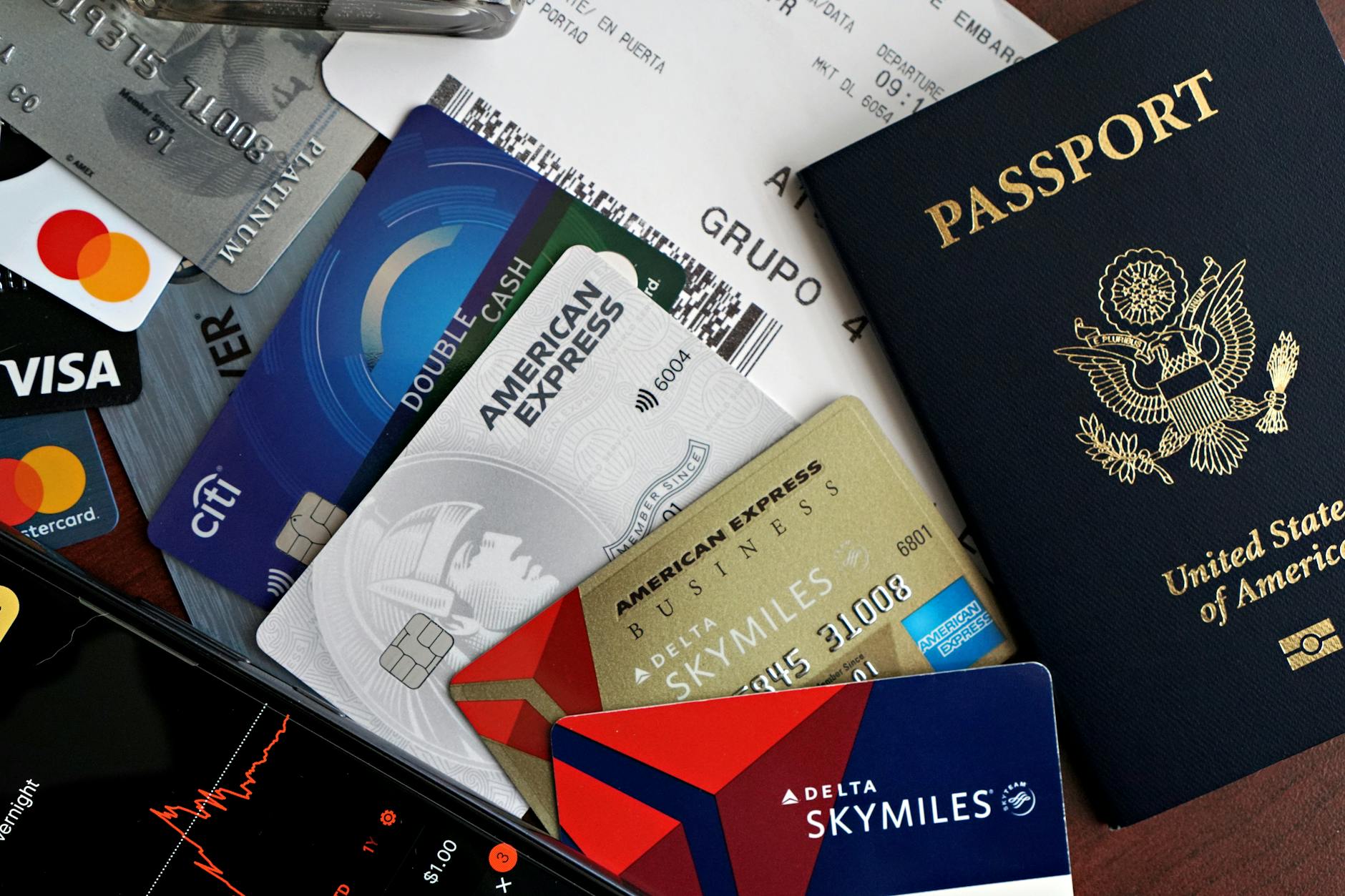
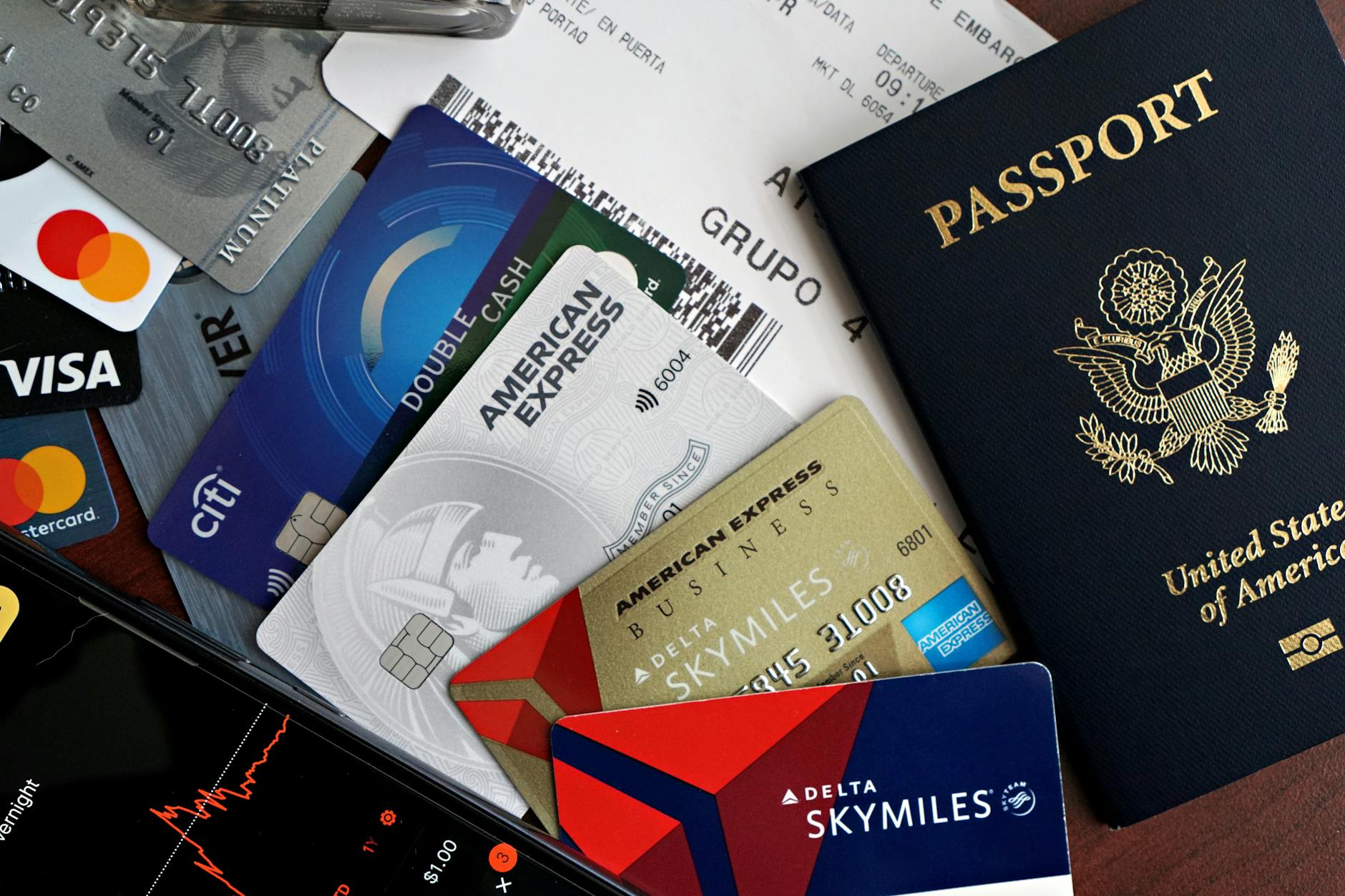
Spirit Airlines is gone. The seats, the yellow planes, the $9 Fare Club — all of it, grounded for good after the carrier filed for Chapter 11 bankruptcy and ultimately shut down operations in early 2025. But here’s the question nobody’s asking loudly enough: what happens to the credit card that was supposed to reward you for flying with them?
If you’re one of the cardholders sitting on a Spirit Airlines credit card — issued by Bank of America under the Free Spirit brand — you’re not alone in your confusion. And the answer, for now, is both reassuring and deeply unsatisfying at the same time.
The short version: your card still works. You can swipe it at the grocery store, pay your streaming subscriptions, use it like any other Visa. Bank of America has confirmed that cardholders can continue using their cards in the near term. The points you’ve already accumulated? Still sitting in your account. Still technically redeemable — though for what, exactly, is where things get murky fast.
The longer version is a masterclass in how loyalty programs quietly collapse when the airline behind them does. Spirit’s frequent flyer currency, Free Spirit points, was always tied to one carrier’s seat inventory. No airline means no redemptions. And while the card issuer is keeping the lights on for now, the clock is ticking louder than anyone at Bank of America is willing to admit publicly.
This isn’t just a Spirit problem. It’s a reminder that co-branded credit cards are only as valuable as the brand they’re co-branded with.
What’s Behind It
How co-branded cards survive airline collapses
When an airline folds, the credit card doesn’t automatically disappear overnight. That’s because the card itself is a financial product issued by a bank — in Spirit’s case, Bank of America — not by the airline. The bank has its own regulatory obligations, its own customer relationships, and its own timeline for winding things down or pivoting.
This is exactly what happened with other airline bankruptcies in the past. The card keeps functioning as a general-purpose credit card. Your credit line doesn’t vanish. Your payment history still reports to the bureaus. If you’ve been responsible with the account, your credit score isn’t immediately dinged just because Spirit stopped flying.
But here’s what most miss: the rewards program is a separate legal and contractual arrangement between the bank and the airline. When Spirit ceased operations, the mechanism for redeeming Free Spirit points for flights essentially became a dead end. Bank of America can keep issuing statements. It cannot manufacture airline seats that don’t exist.
The Consumer Financial Protection Bureau has long flagged how loyalty program terms — buried in cardholder agreements — give issuers enormous latitude to modify or terminate rewards with relatively short notice. That’s the fine print most people scroll past when they’re excited about earning miles on their first purchase.
Your Spirit card still swipes — but the miles it earns are now a currency with nowhere left to spend.
The loyalty points problem nobody warns you about
Free Spirit points were never transferable to other airlines. Unlike Chase Ultimate Rewards or American Express Membership Rewards — which are bank-owned currencies you can move to a dozen different airline partners — Free Spirit lived and died with Spirit. It was a closed loop. Useful when the airline was flying. Ornamental now that it isn’t.
According to reporting from NerdWallet, Spirit cardholders can still redeem points through the Free Spirit program for now, but the airline’s shutdown makes meaningful redemptions functionally impossible for most people. You can’t book a flight on a grounded carrier. Any remaining redemption pathways — gift cards, merchandise, partner offers — are limited and unlikely to match the value you originally expected from travel rewards.
The brutal math: if you’ve been sitting on 30,000 Free Spirit points hoping to book a flight, those points are effectively stranded. There’s no transfer partner waiting to absorb them. There’s no lifeboat program announced. What exists today could be modified or eliminated entirely once Bank of America formally restructures or closes the card portfolio — a move that analysts widely consider inevitable, even if the timeline remains unclear.
This is the part of co-branded card marketing that never makes it into the TV commercials.
Why It Matters
Your credit score is quietly in the crosshairs
Here’s where things get personal. When Bank of America eventually closes the Spirit card product — and most financial observers agree it’s a matter of when, not if — that closure will appear on your credit report. And depending on your overall credit profile, it could hurt.
Credit utilization is the second-biggest factor in your FICO score, accounting for roughly 30% of the calculation. When a credit card account closes, your total available credit drops. If you carry balances on other cards, your utilization ratio goes up — and your score goes down. The hit can be modest or meaningful depending on how much of your total credit limit this card represents.
Length of credit history matters too. If your Spirit card was one of your older accounts, losing it shortens your average account age — another quiet drag on your score that most people don’t anticipate until the damage is already done.
The Consumer Financial Protection Bureau recommends that consumers regularly review their credit reports — available free at AnnualCreditReport.com — to catch account changes before they spiral. If you haven’t pulled yours recently, now is the moment.
What this reveals about airline card risk broadly
Spirit’s collapse is an extreme case, but the vulnerability it exposes is not. Co-branded airline cards — from budget carriers to legacy giants — all carry a version of this risk. The rewards currency you’re accumulating is only as stable as the airline backing it.
- Transferable points cards let you move your rewards to multiple airline and hotel partners, insulating you from any single carrier’s collapse.
- Cash-back cards eliminate the partner risk entirely — your 2% back is always worth 2% back, no matter what happens in the airline industry.
- Legacy carrier co-brands (Delta, United, American) carry lower closure risk than budget carriers, but are not immune to restructuring.
- Reading the cardholder agreement — specifically the rewards modification clause — tells you exactly how much notice the issuer must give before changing or eliminating your points.
The provocative observation nobody wants to say out loud: budget airline credit cards were always a fragile bet. Spirit’s business model ran on razor-thin margins and perpetual growth. The card rewards were priced accordingly. Anyone who built a travel strategy around Free Spirit points was building on sand.
What to Watch
The Spirit Airlines credit card situation is still unfolding, and the next 90 to 180 days will likely determine how this ends for cardholders. Here’s what to monitor closely — and what to do in the meantime.
First, watch your email and physical mail from Bank of America obsessively. Any formal communication about changes to your rewards program, account terms, or card discontinuation will come through official channels with advance notice. The CFPB’s rules generally require issuers to provide at least 45 days’ notice before making significant changes to credit card terms. Don’t let that notice end up in spam.
Second, use or convert whatever points you have — now. If there are any redemption pathways still open (statement credits, merchandise, partner offers), extracting value today beats watching points expire worthless in six months. Check the Free Spirit portal for any remaining options, even if they’re suboptimal.
Third, assess the card’s standalone value as a general-purpose Visa. If it has no annual fee and you’re using it just for spending, it may be worth keeping open until Bank of America closes it — preserving your credit limit and account age in the process. If it carries an annual fee, that calculation changes immediately.
Key signals to watch as this story develops:
- Official account closure notice from Bank of America, which triggers the credit score impact timeline.
- Free Spirit program suspension — any announcement that the rewards portal is shutting down is your hard deadline for redemptions.
- Spirit asset acquisition news — if another carrier buys Spirit’s routes or brand assets, there’s an outside chance a points conversion or transfer offer emerges, as happened in some past airline mergers.
- CFPB enforcement activity around loyalty program disclosures, which could accelerate or shape how Bank of America handles the wind-down.
The bottom line is this: Spirit’s credit card isn’t an emergency today. But it is a ticking clock. The cardholders who come out ahead will be the ones who move deliberately now — redeeming what they can, protecting their credit profile, and pivoting to a card that doesn’t hitch its value to a single carrier’s survival. The ones who wait and assume everything will sort itself out? They’ve met this story before. It doesn’t end well.
Stay Ahead of the Market
Get our daily finance briefing — sharp insights from 16 trusted sources, delivered free.
Dig Deeper
This article is for informational purposes only and does not constitute financial, tax, or legal advice. Consult a qualified professional for guidance specific to your situation.