Navios Maritime Q1 2026: What Earnings Reveal
The Hook
Shipping isn’t sexy. It doesn’t trend on X. It doesn’t get breathless coverage on CNBC. But while retail investors were busy chasing AI plays and meme-stock revivals, Navios Maritime Partners L.P. — ticker NMM on the NYSE — quietly dropped its Q1 2026 earnings, and the numbers tell a story that deserves a much bigger audience.
Here’s the thing about dry bulk and tanker shipping: it’s one of the most brutally honest barometers of global trade health on the planet. When containers move, economies are humming. When rates compress, the world is quietly tightening its belt. And when a company like Navios Maritime reports in this environment, smart money pays attention.
Q1 2026 wasn’t a blowout quarter in the headline-grabbing sense. But strip away the noise, and what you find is a partnership managing a complex, capital-intensive fleet with surgical discipline — navigating freight rate volatility, elevated fuel costs, and a global trade landscape still scrambling to find its footing post-tariff chaos. The partnership has been shoring up its balance sheet, locking in contract coverage, and positioning itself for a rate environment that could turn fast — in either direction.
Most investors glance at the headline revenue figure and move on. But here’s what most miss: the real story in NMM’s Q1 2026 isn’t one number — it’s the strategic architecture quietly being built beneath the surface.
What’s Behind It
Fleet utilization is doing the heavy lifting
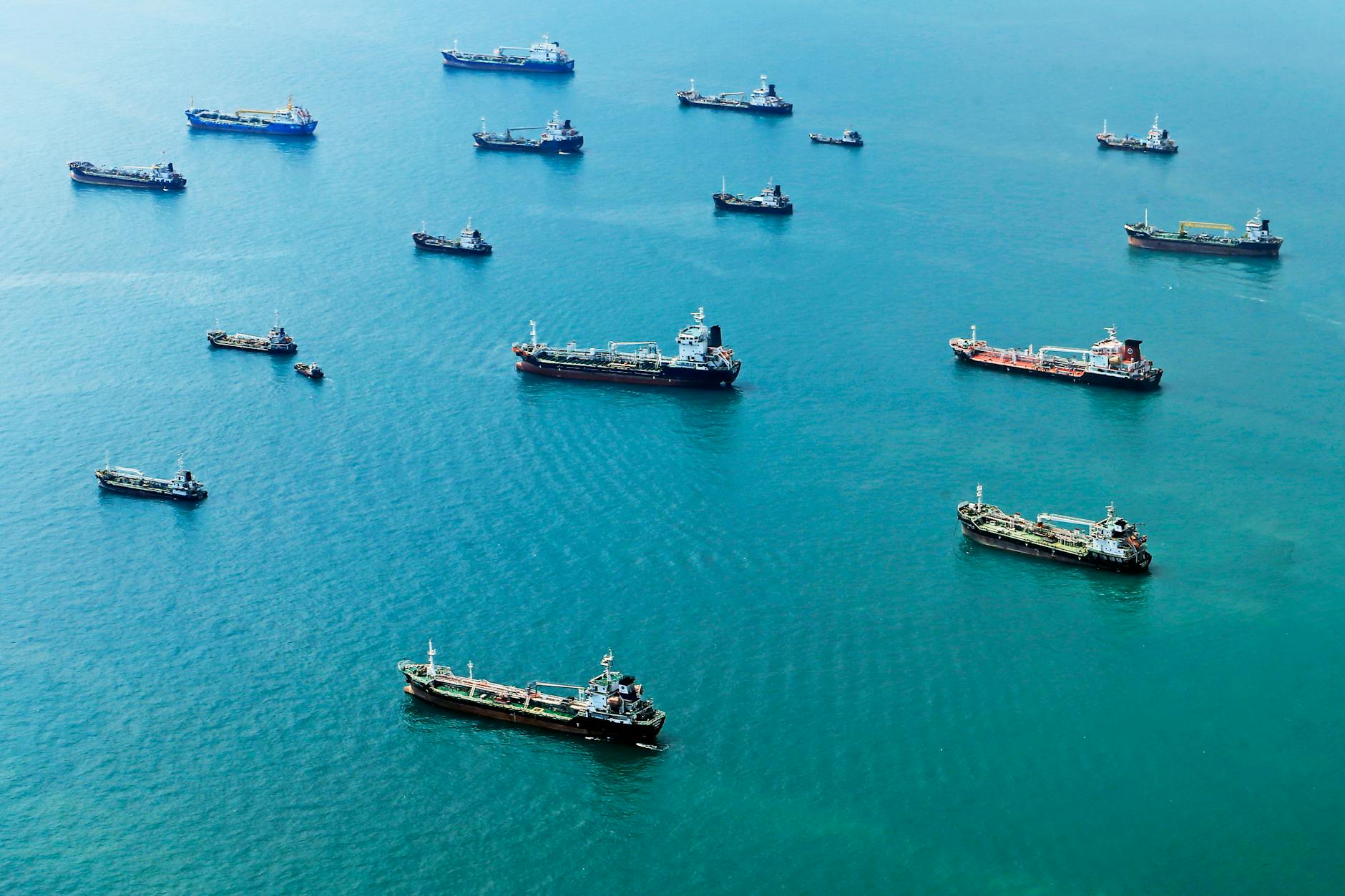
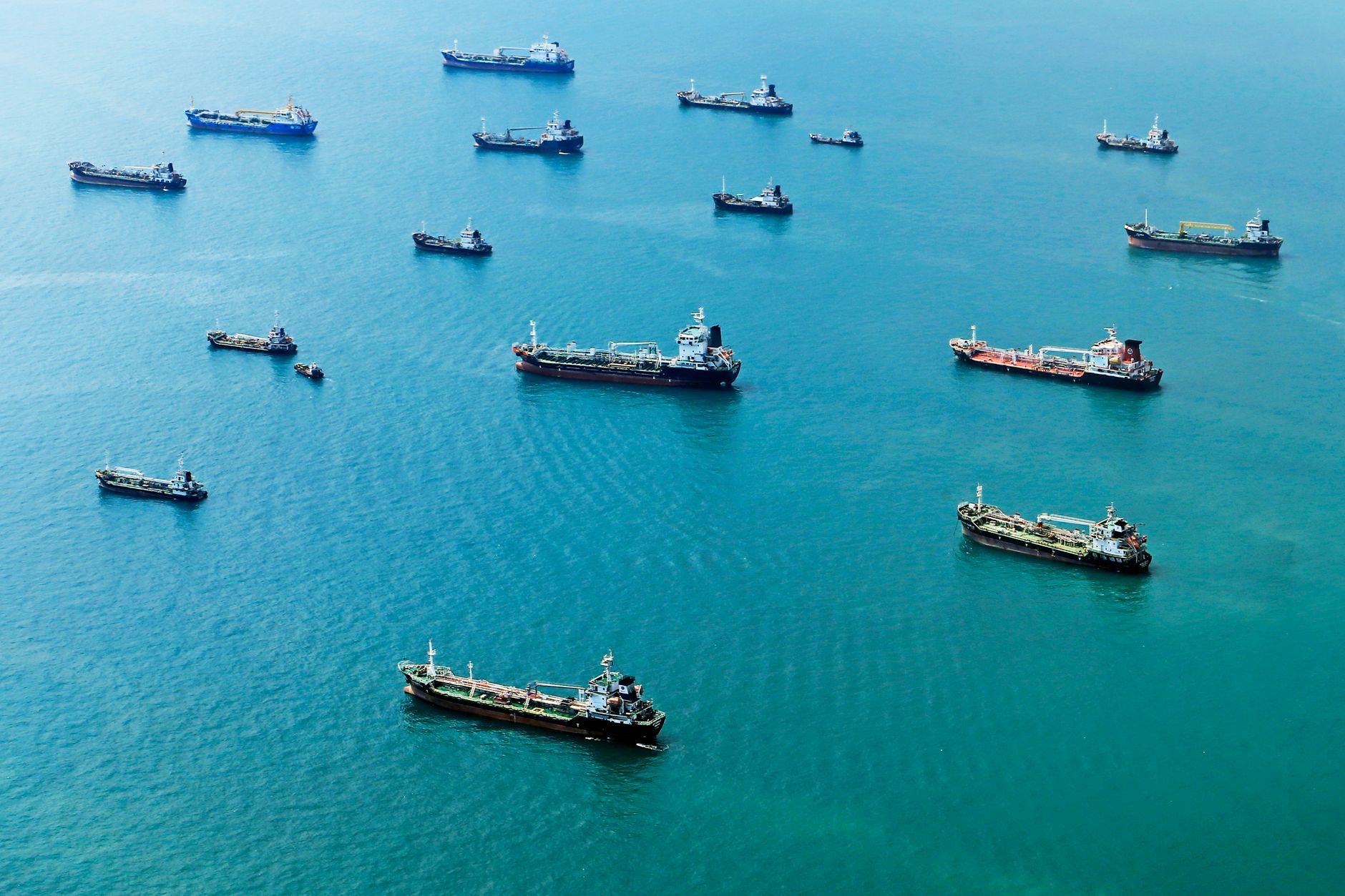
Navios Maritime Partners operates one of the largest diversified fleets among U.S.-listed shipping partnerships, spanning dry bulk vessels and tankers across multiple size classes. In Q1 2026, fleet utilization remained a critical lever. High utilization rates — consistently above industry averages for comparable operators — helped cushion the impact of softening spot freight rates in certain dry bulk segments, particularly in the Capesize and Panamax categories where China demand signals remained mixed through the quarter.
The partnership’s management, led by Angeliki Frangou — one of the most tenacious operators in global shipping — has long prioritized keeping ships working over chasing short-term spot premiums. That philosophy paid dividends in Q1. While some peers were caught overexposed to a volatile spot market, NMM’s charter coverage strategy provided a revenue floor that held up under pressure. Time charter equivalent, or TCE, rates — the industry’s real profitability metric — remained relatively stable compared to the prior quarter, a quiet but meaningful signal of operational execution.
It’s also worth factoring in vessel age and quality. Navios has been actively managing its fleet composition, and a younger, more fuel-efficient fleet isn’t just good PR — it’s a direct cost lever as bunker fuel prices remain elevated and as environmental regulations tighten their grip on global shipping economics.
In shipping, the operators who survive volatility aren’t the luckiest — they’re the most structurally prepared.
Balance sheet discipline in a high-rate world
Debt is the silent killer in capital-intensive industries, and shipping is about as capital-intensive as it gets. In Q1 2026, Navios Maritime continued to demonstrate a commitment to deleveraging that stands in contrast to the leverage-happy expansion strategies that have sunk more than a few shipping names over the past two decades.
With global interest rates still elevated — the Federal Reserve’s pivot has been measured at best — companies carrying heavy debt loads are feeling the squeeze in real time. NMM’s management has been proactive about reducing debt obligations and extending maturities, moves that don’t generate headlines but materially reduce financial risk. Liquidity positions remained solid through the quarter, with available cash and credit facilities providing a buffer against any near-term market deterioration.
The partnership structure itself is worth understanding. As an MLP, NMM distributes cash to unit holders, which means capital allocation decisions are under constant scrutiny. Distributions, debt service, and fleet investment must all be balanced against each other — a high-wire act that Frangou’s team has managed with notable consistency. Any adjustment to distribution policy in coming quarters would be a significant signal to watch closely.
Why It Matters
Global trade headwinds are reshaping shipping economics
The macro backdrop for Q1 2026 was anything but calm. U.S. tariff escalations and retaliatory trade measures have reshuffled global cargo flows in ways that are still playing out in real time. For dry bulk operators, Chinese steel output and iron ore import volumes remain the single biggest demand driver — and those metrics have been inconsistent, reflecting Beijing’s ongoing struggle to stabilize its property and manufacturing sectors.
Tanker markets, meanwhile, have been navigating their own complexity. Sanctions-driven fleet displacement, OPEC+ production management, and refinery throughput shifts have created pockets of strength and softness across crude and product tanker segments simultaneously. Navios Maritime’s diversified exposure across dry bulk and tankers isn’t just a portfolio strategy — it’s a hedge against single-segment collapse. When dry bulk rates soften, tanker demand can compensate, and vice versa. That diversification is structural protection that pure-play operators simply don’t have.
The broader implication: in an era of trade fragmentation and route reconfiguration, diversified fleet operators with strong commercial teams are better positioned than ever to capture dislocated cargo flows. NMM’s global commercial network, built over years, is an asset that doesn’t show up cleanly on any balance sheet line.
What NMM signals for the broader shipping sector
Navios Maritime doesn’t operate in isolation. Its Q1 2026 performance is a useful proxy for how the mid-to-large cap shipping tier is navigating a transitional environment. And the signals are nuanced — neither a green light nor a red flag, but a flashing amber that demands attention.
- Charter coverage rates — The percentage of fleet days locked into fixed-rate contracts heading into Q2 and beyond is the single most important forward indicator.
- TCE rate trajectory — Time charter equivalent rates across vessel classes will reveal whether spot market softness is becoming structural or cyclical.
- Debt reduction pace — The speed of deleveraging relative to cash generation speaks directly to financial resilience in a prolonged rate downturn.
- Distribution sustainability — Any change to unit distributions would telegraph management’s confidence — or lack thereof — in near-term cash flow.
- Fleet renewal activity — New vessel acquisitions or disposals signal how management is reading the medium-term supply-demand balance.
The shipping cycle is long and unforgiving. But operators who use soft patches to build structural strength — rather than panic or over-lever — tend to emerge from the other side in commanding positions. That’s the thesis embedded in NMM’s Q1 story.
What to Watch
The next 90 days will be telling for Navios Maritime Partners and the broader shipping complex. Here’s where to focus your attention as Q2 2026 unfolds.
First, watch China. Iron ore import volumes at major Chinese ports are a leading indicator for Capesize and Panamax dry bulk demand. Any meaningful pickup in Chinese infrastructure stimulus or steel output would flow directly into freight rates — and NMM, with its significant dry bulk exposure, would benefit quickly. Conversely, further demand deterioration in China is the biggest single risk to the earnings thesis.
Second, monitor the Baltic Dry Index and Baltic Dirty Tanker Index on a weekly basis. These aren’t lagging indicators — they move in real time and provide an unfiltered read on where charter rates are heading before any company reports them. NMM’s realised TCE rates will lag these indices, but directional alignment matters.
Third, keep a close eye on the next quarterly earnings call for any update on forward charter coverage. Management commentary around how much of the fleet is fixed for Q3 and Q4 2026 will be the most actionable piece of information they deliver. A high coverage rate in a softening market is protective; a high coverage rate ahead of a rate recovery means upside is being left on the table — and management knows this.
Fourth, watch global oil demand revisions from the IEA and OPEC. Tanker demand is a direct function of crude and product trade volumes. Any upward revision to global oil demand — especially driven by emerging market consumption — is a tailwind for NMM’s tanker fleet.
Finally, track any SEC filings from Navios Maritime Partners on EDGAR for material updates between earnings cycles. In a company with complex vessel financing arrangements, interim filings can surface important information well before the next official call. You can also track NMM’s real-time price action and fundamental data on the NMM Yahoo Finance quote page.
The shipping sector rewards patience and punishes complacency. Navios Maritime Partners, after Q1 2026, looks like a company that understands the difference between the two.
Stay Ahead of the Market
Get our daily finance briefing — sharp insights from 16 trusted sources, delivered free.