Klover Cash Advance 2026: What They Don’t Tell You

The Hook
Free money. No credit check. Instant cash in your account before payday. That’s the pitch — and millions of Americans are buying it.
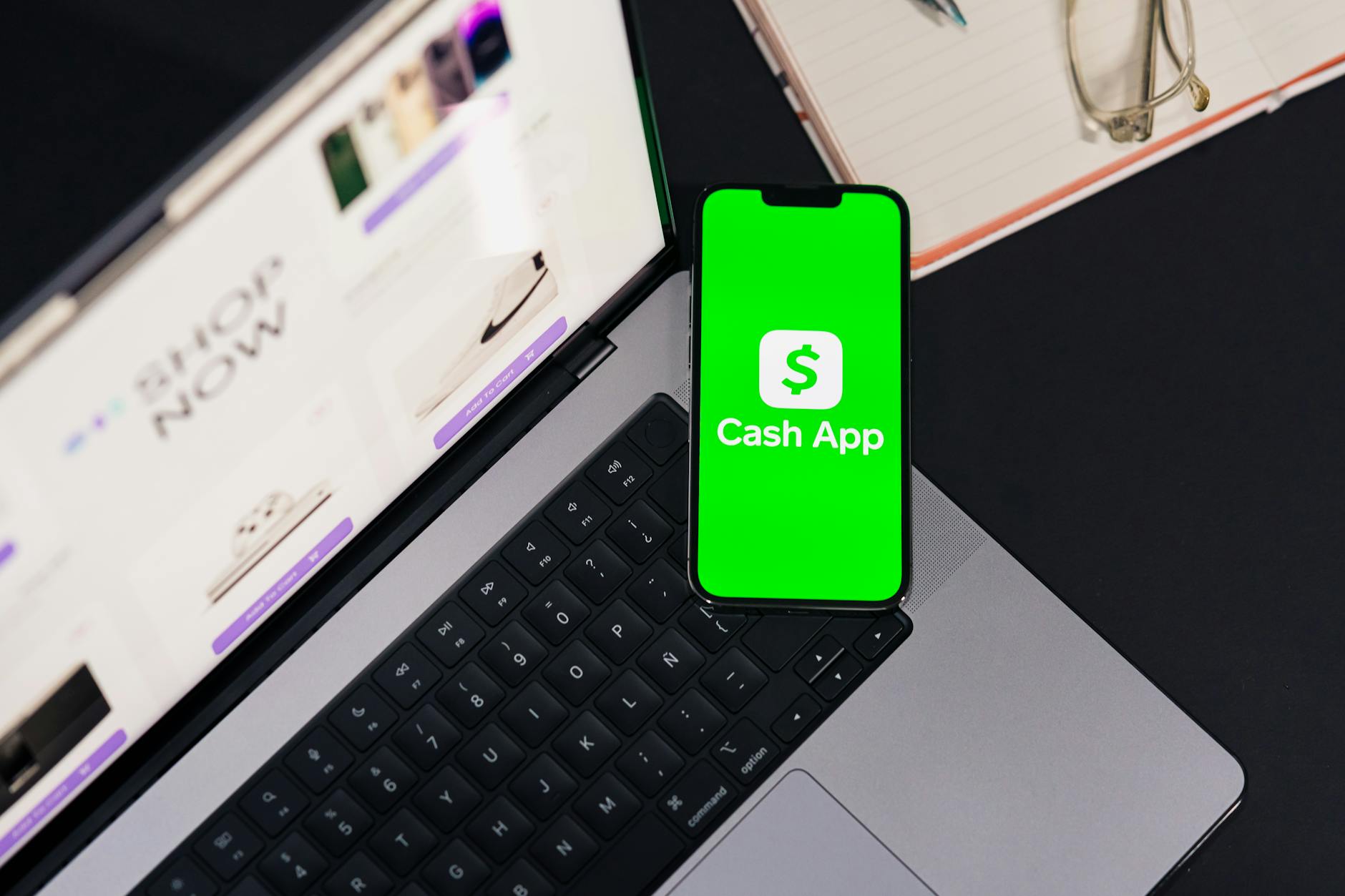
Klover, the cash advance app that lets users borrow up to $200 against their next paycheck, has quietly built a massive user base by promising zero-interest advances with no mandatory fees. On paper, it sounds like a lifeline. In practice, the story is considerably more complicated.
Here’s the setup: Klover doesn’t charge interest. But it does charge for speed. Want your $100 in minutes instead of days? That’ll cost you a “Boost” fee. Want a larger advance? You’ll need to rack up points by watching ads, completing surveys, and sharing your spending data. Yes, your spending data. The product is free — and you already know what that means.
In 2026, cash advance apps are no longer a fringe product. They’re a $20 billion industry and growing, filling the gap that traditional banks left wide open. The Consumer Financial Protection Bureau has been watching this space with increasing intensity, and regulators are starting to ask hard questions about whether “zero interest” really means zero cost.
Klover may be one of the more transparent players in a notoriously opaque space. But transparent doesn’t automatically mean cheap — and it definitely doesn’t mean right for everyone. Before you link your bank account, you need to understand exactly what you’re handing over and what you’re getting back.
What’s Behind It
The real cost hiding in plain sight
Klover’s core mechanic is simple: connect your bank account, verify you have a regular paycheck, and unlock a cash advance of up to $200. Repayment comes automatically on your next payday. No credit pull. No interest. No late fees — at least not in the traditional sense.
What Klover does charge is an express fee for instant delivery. Standard transfers, which take one to three business days, are free. But if you need that cash now — and let’s be honest, if you’re using a cash advance app, you probably do — you’ll pay a fee that scales with the advance amount. On a $100 advance delivered instantly, that fee can translate to an effective APR well above 100% when annualized. The CFPB has flagged this exact structure across the broader cash advance industry, noting that “tips” and “express fees” can function economically like high-cost credit, even when they’re framed otherwise.
Klover also runs a points-based system that incentivizes users to engage with ads and third-party offers in exchange for higher advance limits. It’s gamified borrowing — and that gamification exists for a reason. The more you engage, the more behavioral and financial data Klover collects. That data is the actual product being monetized. Your advance is the acquisition cost.
When the product is free, your financial data is almost certainly the asset being sold.
Where the business model gets interesting
Klover’s revenue model isn’t purely fee-based. The company explicitly states in its privacy policy that it shares and monetizes user data with third-party partners. This includes transaction history, income patterns, and spending behavior — exactly the kind of high-value financial profile that advertisers, lenders, and data brokers pay handsomely for.
This isn’t unique to Klover. Apps like Dave, Earnin, and MoneyLion operate in similar territory. But it does reframe the product in an important way: Klover isn’t primarily a financial services company. It’s an attention and data platform that offers cash advances as a hook.
For users who understand that tradeoff and are comfortable with it, Klover can be a genuinely useful tool — particularly for those who need occasional bridge financing and can wait the standard transfer window. The advance limits are modest, the repayment structure is clean, and there’s no debt spiral risk in the way a payday loan creates one.
But for users who assume “free” means no strings attached, the reality lands differently. Linking your primary checking account to any third-party app carries inherent risk — both in terms of data exposure and the mechanics of automatic repayment on payday, which can cause its own cash flow disruptions if your paycheck timing is irregular.
Why It Matters
The broader war on payday alternatives
Cash advance apps emerged as a direct response to payday loans — products that the CFPB has documented trap borrowers in cycles of debt through triple-digit APRs and aggressive rollover structures. In that context, Klover and its competitors represent genuine progress. No rollover fees. No debt traps. No predatory collection tactics.
But regulators aren’t entirely satisfied with the narrative. In 2024 and into 2025, the CFPB began pushing for clearer disclosure requirements that would force cash advance apps to calculate and disclose effective APRs — a move the industry has resisted hard. The argument from apps like Klover is that they aren’t credit products at all, so lending regulations shouldn’t apply. Regulators increasingly disagree.
This regulatory tension matters for users because it affects product stability. If cash advance apps are eventually reclassified as credit products under the Truth in Lending Act, the pricing structures will have to change. Some apps may exit the market. Others may shift entirely to subscription models. Klover’s current form — ad-supported, data-monetized, fee-for-speed — may look very different in 18 months.
The Federal Trade Commission has also signaled interest in how fintech apps handle data-sharing disclosures, particularly when those disclosures are buried in lengthy privacy policies that most users never read.
Who this actually works for — and who it doesn’t
Strip away the regulatory noise and Klover is, functionally, a modest short-term liquidity tool. Here’s who it actually serves well:
- W-2 employees with consistent, direct-deposited paychecks who occasionally run short before payday
- Users who can wait for the standard one-to-three-day transfer and avoid express fees entirely
- Financially stable borrowers who need a $50–$150 bridge, not a $500 emergency fund
- Data-aware users who understand the privacy tradeoffs and accept them consciously
- Non-credit users who can’t access a credit card or overdraft protection and need a safer payday loan alternative
Klover works less well for gig workers with variable income, anyone who might need more than $200, or users whose payday timing is unpredictable. The automatic repayment structure can create a secondary shortfall if your deposit hits a day late. And the points-engagement system, while optional, creates subtle pressure to hand over more data in exchange for marginally higher limits — a pattern worth noticing before you’re deep into the habit.
What to Watch
Klover isn’t going anywhere. The demand for short-term cash bridges is durable, the product fills a real gap, and the user base continues to grow. But several forces are converging that could reshape the app — and your experience with it — significantly over the next 12 to 24 months.
Watch these signals closely:
- CFPB rulemaking on earned wage access — A formal rule classifying cash advance apps as credit products would force fee disclosure overhauls and potentially cap effective APRs. Monitor consumerfinance.gov for regulatory updates on earned wage access products.
- Changes to Klover’s data-sharing terms — Privacy policy updates are where the real product changes happen. If Klover expands its third-party data-sharing agreements, the cost of “free” goes up.
- Advance limit increases — Klover’s $200 cap is conservative by industry standards. Any move to increase limits could signal a shift toward more aggressive lending behavior — or simply competitive pressure from apps like Dave and Brigit.
- Express fee restructuring — If regulatory pressure mounts, fee structures will change first. Watch for shifts from per-advance fees to subscription models, which can be cheaper for frequent users but more expensive for occasional ones.
- Bank partnership announcements — Several cash advance apps have moved toward direct bank integrations that improve transfer speeds without express fees. If Klover follows, the value proposition changes materially.
The bottom line on Klover in 2026 is this: it is a better product than the payday loan it was designed to replace. It is not a neutral product. The advance is real. The data exchange is also real. Anyone using the app should be operating with both eyes open — understanding that the convenience is priced in ways that don’t show up on a fee schedule. For occasional, small-dollar shortfalls, Klover can be a reasonable tool. As a financial habit? That’s a different conversation entirely.
The best financial buffer remains the boring one: an emergency fund held in a federally insured account that you own outright, with no app between you and your money.
Stay Ahead of the Market
Get our daily finance briefing — sharp insights from 16 trusted sources, delivered free.
Dig Deeper
This article is for informational purposes only and does not constitute financial, tax, or legal advice. Consult a qualified professional for guidance specific to your situation.